
Our Latest News


Quentin Tarantino Blasts Post-Pandemic Hollywood: 'A Flavourless Sausage Factory'
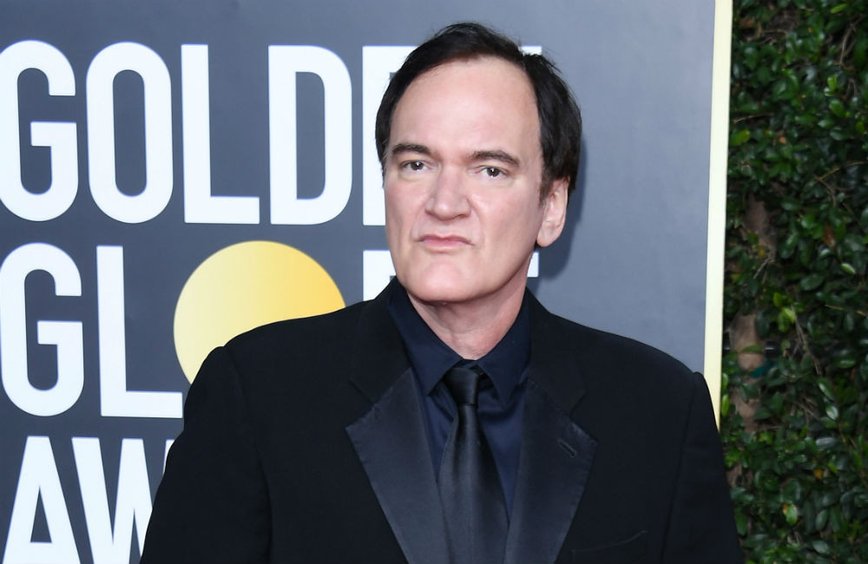
Quentin's Bold Call-Out
Quentin Tarantino, the maverick director behind "Pulp Fiction," is at it again – and this time, he's taking aim at post-pandemic Hollywood. In a spicy op-ed for Sight and Sound magazine, Tarantino doesn't mince words, dubbing the industry a "flavourless sausage factory." The celebrated filmmaker has been on a quest for a film that doesn't leave him dissecting flaws, and so far, he's come up empty.
“Since the pandemic, for me anyway, it seems almost impossible for a new movie to come out that I don't pick to death. Flaws, implausibilities, audience pandering, miscast performers or just plain stupid s*** usually torpedoes every new movie coming out of the flavourless sausage factory that used to call itself Hollywood.”
Tarantino's harsh critique doesn't stop there. He laments that today's films make even the 1980s seem like Hollywood's golden age, and admits he'd rather curl up with a good book than watch most modern releases.
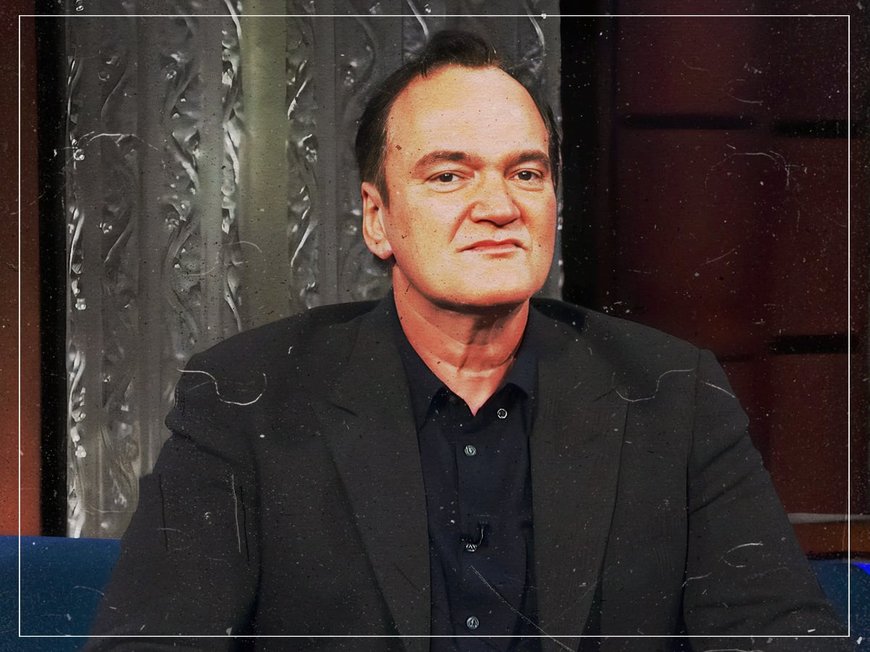
Hits and Misses
Despite his overall disappointment, Tarantino acknowledges a few films since the pandemic that managed to catch his attention – naming "West Side Story" (2021) and "Horizon: An American Saga – Chapter 1 and 2" (2024). However, he explains that even these movies have failed to transport him to "the magical land of enjoyment" that once defined his love for cinema.
Yet, one movie did manage to break through Tarantino's critical eye: Joe Carnahan's action-packed thriller "The Rip," starring heavyweights Matt Damon and Ben Affleck. Tarantino lauds the film as an "exciting cop thriller" and praises the dynamic screenplay and stellar direction, calling it a rare gem that delivered on all fronts.
Past Grievances and Future Hopes
Never one to shy away from vocalizing his opinions, Tarantino recalls his mixed feelings about the 2007 film "There Will Be Blood," particularly citing Paul Dano's performance as a weak point. He dreamily speculates that Austin Butler – though only a teen at the time – could have excelled in the role, calling Dano "a weak sister."
Famed for his candid, sometimes brutal opinions, Tarantino's latest critique adds another layer to his legacy as both a visionary director and a fiery commentator on the state of Hollywood.

Author: Ethan

Ethan
Trending topics
Popular