
Our Latest News


Mayim Bialik: From Blossoming Star To Hollywood Maverick
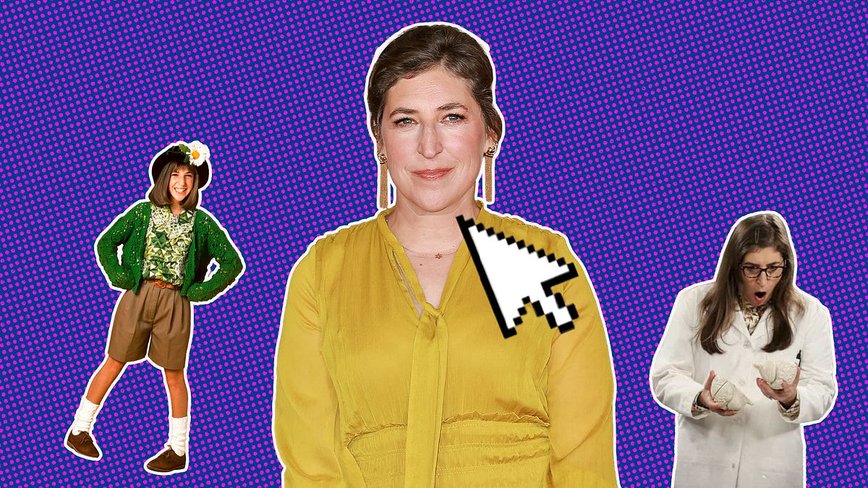
Mayim Bialik's Unconventional Path to Stardom
"I’m a workaholic," Mayim Bialik candidly admitted during a podcast episode filmed in Los Angeles. At 50, with four decades of fame under her belt, the actress reflected on her immigrant grandparents' hustle ethos. Bialik's journey in Hollywood has been anything but typical, marked by roles in two colossal sitcoms: 'Blossom,' where she captured hearts as a teenage star in the '90s, and 'The Big Bang Theory,' portraying the iconic Dr. Amy Farrah Fowler. The latter reigned for over a decade, drawing an audience of 20 million viewers weekly, until its finale in 2019. Bialik has since made strides, debuting as a director with 'As They Made Us,' and stepping into a hosting role on 'Jeopardy!' – experiences that she cherishes despite not being asked back.
“I loved hosting Jeopardy!, I miss hosting Jeopardy!” Bialik confessed.
On the day of our conversation, Bialik was fresh from recording her podcast, 'Mayim Bialik’s Breakdown,' where she delves into neuroscience, spirituality, and consciousness. Carrying a jar of her 'lunch,' she was geared up for Yiddish night at the synagogue – just one of her many passions. Unlike many Hollywood figures, Bialik stands out with her wide-ranging interests and lack of scandalous public moments. Her approach to fame has been shaped by a strict upbringing that stressed modesty and responsibility.
Beyond the Limelight: Motherhood and Values
Bialik's parenting methods have sparked internet buzz, particularly her advocacy for elimination communication over traditional diapers and extended breastfeeding. Despite the unconventional choices, Bialik's children defy assumptions, proving obedient and well-adjusted. Her grounded perspective extends beyond her family, touching on broader societal issues. Bialik is a vocal proponent of feminism, criminal justice reform, and Israel's rights, even as she grapples with her political identity.
As a self-proclaimed hippie who found success on TV, Bialik's life is a blend of contrasts – a spiritually inclined scientist and a socially conservative public figure. Her core beliefs remain firm, particularly when it comes to wealth distribution. "I believe there should be a cap on how much you can earn," she said, highlighting a preference for generosity and education over excessive accumulation.
Exploring New Horizons and Cultural Trends
While the allure of Hollywood parties never caught Bialik's interest, she acknowledges facing misogyny and body-shaming in her career. Yet she remains undeterred, drawing strength from her personal neuroses and insecurities, which she believes keep her grounded. Her journey mirrors a broader trend of celebrities reevaluating the costs of fame, as seen in recent memoirs and docuseries. Bialik's experiences straddle both alignment and divergence with this narrative, portraying a unique celebrity who remains relatable despite her fame.
Fans can delve deeper into Bialik's world through her comprehensive podcast conversation, exploring themes from neuroscience to her personal values. As we celebrate continued cultural evolutions, from Yiddish music to tech-savvy parenting, Bialik stands as a testament to authenticity and staying true to oneself amidst the gleaming lights of Hollywood.
Author: Sophie
Sophie
Trending topics
Popular