
Our Latest News


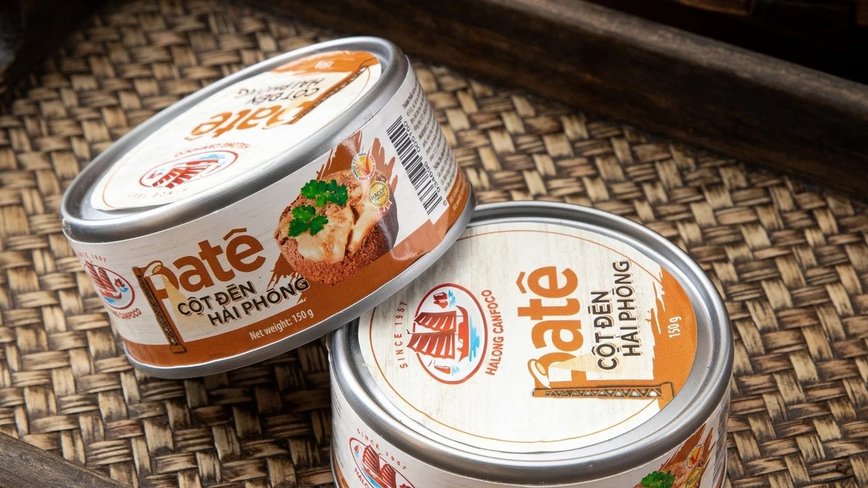
Ha Long Canned Food Scandal: Shaking Vietnam'S Culinary Scene In 2025
Unveiling the Scandal: A Major Blow to Vietnam's F&B Industry
The Vietnam Foodservice Market Report 2025, published by iPos.vn, has spotlighted a tumultuous year for the country's food and beverage sector. According to surveys involving 3,001 restaurant and café operators and over 3,045 diners, a series of food safety scandals in 2025 left deep scars on consumer confidence. Leading the pack was the Ha Long Canfoco scandal, which emerged as the most significant incident, with 54.45 percent of respondents admitting it influenced their purchasing decisions. This revelation is alarming, particularly since canned foods are a staple across the F&B supply chain, affecting everything from small cafés to large restaurant chains.
“The incident occurred within a category of industrial-scale ingredients with broad distribution, meaning its impact extended beyond a single brand and spilled over into overall trust in processed foods used in the foodservice sector,” the report stated.
More Than Just Cans: The Streptococcus suisis Outbreak
Another crisis that rattled Vietnam was the Streptococcus suis outbreak, which shook the central region's market. By the time it peaked between June and August 2025, 41.77 percent of survey respondents described it as a 'nightmare,' leading to widespread trepidation concerning pork and organ-based products. Many households steered clear of pork for four to six months, opting instead for safer alternatives like beef. Restaurants specializing in pork dishes such as bun bo Hue, com tam, and roasted pork suffered the most, with reported revenue slumps of up to 50 percent. The pork supply chain was in turmoil, and vendors who couldn't verify the origins of their products were promptly shunned, unless they provided proper documentation.
Rebuilding Trust: A New Era for Vietnam's F&B
Despite the tumult, a glimmer of optimism remains. The iPos report highlighted that 31.17 percent of diners claimed they were unaffected by food safety concerns, even when aware of them, reflecting a certain optimism and trust in the evolving F&B landscape. In response to these scandals, consumer trust is gradually being restored through tangible measures. Clean, well-maintained dining spaces, valued by 69.62 percent of respondents, are a top priority. This is closely followed by consistently busy establishments and the visible certification of food safety compliance. The message is clear: post-crisis, consumers are looking beyond flashy advertisements and instead value the visible cleanliness and safety of their dining environments. Looking forward to 2026, the report forecasts a promising horizon for Vietnam's F&B scene, predicting nearly 333,600 outlets and a revenue of VND760 trillion (US$30 billion). This marks a strategic shift from rapid expansion to more sustainable, quality-focused growth, with businesses now emphasizing structured operations and established credibility.
Categories:

Author: Mia