Our Latest News


From Ringside To Primetime: The Scandal That Captivated America
Boxing Scandal Hits the Airwaves
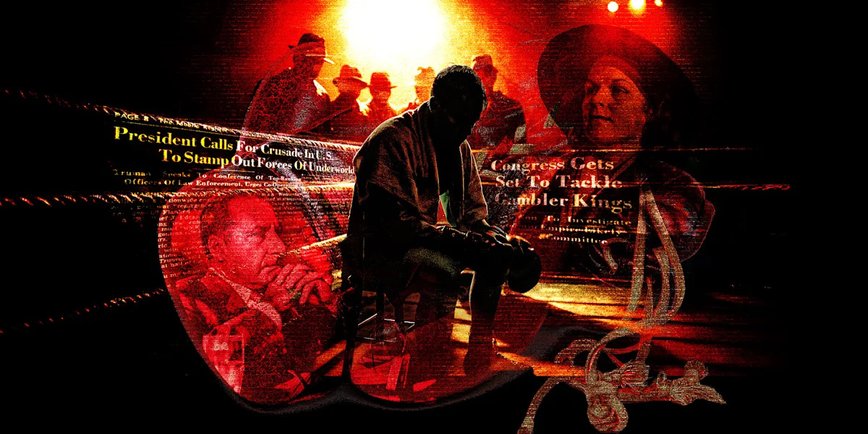
It kicked off with a simple notion that turned into an unexpected phenomenon, ultimately morphing into a televised spectacle that rattled the very core of professional boxing in the United States. In 1950, a U.S. Senate committee, led by the ambitious Senator Estes Kefauver, delved into the murky waters of organized crime's grip on the American economy. This was before "The Godfather" and "The Sopranos" – even before film noir classics depicted the mob's hold on boxing.
The Kefauver Committee, officially known as "The United States Senate Special Committee To Investigate Crime In Interstate Commerce," became a household name. It wasn't long before the hearings turned into a must-see TV event, capturing the imagination of a nation newly enthralled by the medium of television.
“From Manhattan as far west as the coaxial cable ran, the U.S. adjusted itself to Kefauver's schedule,” Time magazine later wrote. "Dishes stood in sinks, babies went unfed, business sagged, and department stores emptied while the hearings were on."
Televised Mobsters Steal the Show
Unlike typical Senate hearings, the Kefauver Committee hearings were anything but mundane. With colorful mobsters like Frank Costello and Virginia Hill Hauser taking the stand, viewers were glued to their screens. The notorious Frank Costello, refusing to show his face, became an enigma as the cameras focused solely on his hands.
Television sets in bars and electronics stores became gathering spots for those without a personal TV. Some reports claimed bars were more crowded on committee hearing days than during major sports events. Witness accounts painted a vivid picture of crime infiltrating every corner of society, though much of the evidence was already public knowledge.
Boxing's Dirty Laundry Aired
The committee spotlighted the mob's stranglehold on boxing, featuring testimony from figures like Jake LaMotta and Carmen Basilio. LaMotta candidly admitted to throwing fights in exchange for later opportunities, while Basilio revealed the financial exploitation he endured at the hands of mobsters like Vito Genovese.
Despite compelling narratives, the hearings revealed limited new information. They did, however, shine a spotlight on the corruption plaguing boxing, portraying the sport as a "slum area" in dire need of reform. Though calls for federal oversight went unanswered, the spectacle cemented Kefauver's status as a political force to be reckoned with.
The Kefauver Legacy
The Kefauver hearings catapulted the senator to national fame and set the stage for future pursuits, including two presidential bids. The media frenzy surrounding the televised hearings left an indelible mark on American culture, influencing films like "The Godfather Part II" and reshaping public perception of organized crime.
While the Kefauver Committee's most concrete achievement was heightening awareness of organized crime's reach, its true legacy lay in its transformation of political investigation into a form of entertainment. This spectacle-driven approach would echo through the corridors of American media for decades to come.
Categories:

Author: Sophie