Our Latest News


'World War Z' Climaxes With A Twist From Hollywood'S Controversial Genius
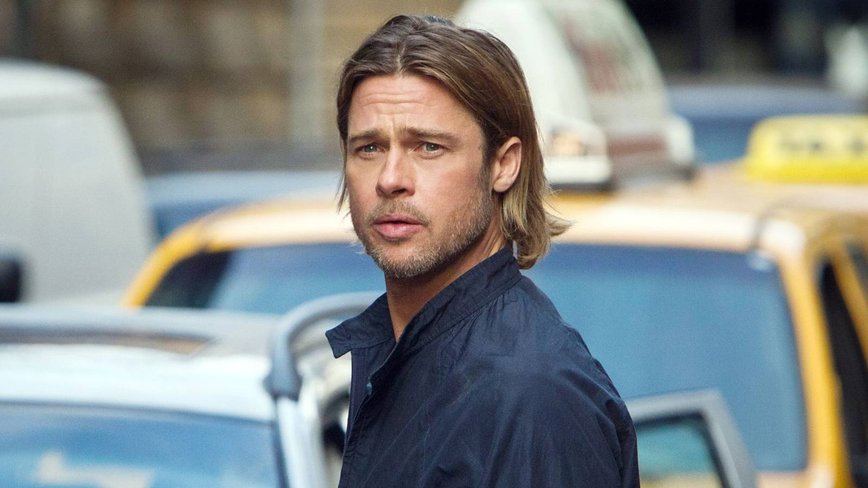
The Unseen Drama Behind 'World War Z'
When Marc Forster took on 'World War Z,' he traded the novel's expansive, multi-narrator vibe for a film that zooms in on one hero. This shift transformed the typical zombie flick into an epic disaster movie, traversing global landscapes. But getting it right wasn't easy. The film endured significant reshoots and a complete overhaul of its final act – a rare move for blockbusters, hinting at its troubled production.
It's no secret that last-minute changes can hit even the biggest films, but the sheer scope here was jaw-dropping. According to Vanity Fair, Brad Pitt was in full problem-solving mode: "You have to figure out the third act," he reportedly urged, even as filming pressed on.
Rescue Mission: Enter Damon Lindelof
The film seemed adrift, far from its original inspiration. Producers wanted fresh eyes, someone untangled from the project's history, to breathe new life into the narrative. Enter Damon Lindelof – the polarizing scribe behind 'Lost' who, love him or hate him, knows how to create a spectacle. Pitt tapped Lindelof to rework the problematic third act, a decision that would change everything.
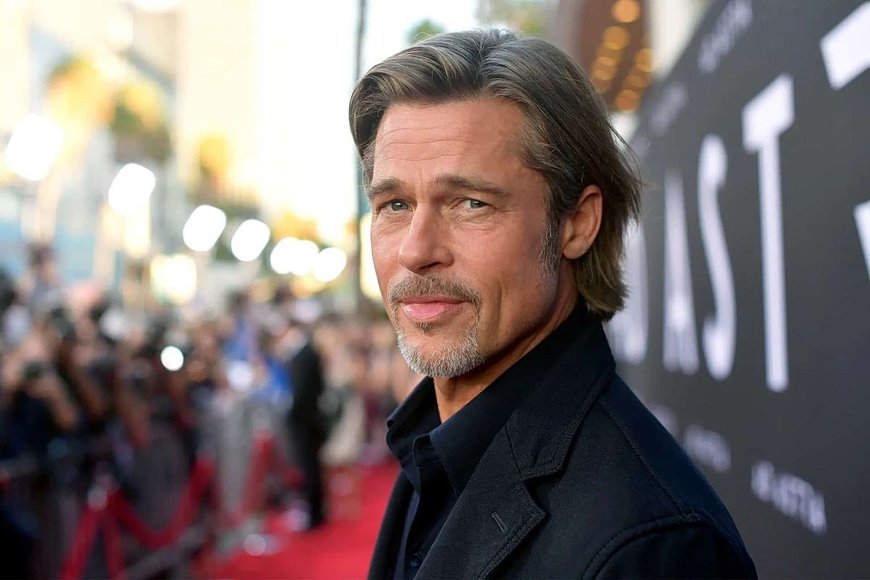
“I didn’t think anyone was going to say, ‘Let’s throw it out and try something else,’” Lindelof admitted, reflecting on the bold choice to reinvent the film's climax.
From Moscow Chaos to WHO Lab Tension
Originally, the film's climax featured Gerry (played by Pitt) joining a frenzied battle in Moscow. However, this scene failed to capture the movie's thematic heart. Lindelof's fresh perspective, with help from 'Lost' co-writer Drew Goddard, shifted the ending dramatically. Instead of explosive violence, Gerry's journey led him to the eerie depths of a zombie-infested World Health Organization lab, delivering a suspenseful and satisfying conclusion.
This new ending didn't just fix the film – it revived the essence of Max Brooks' novel, winning back critics and audiences alike. Thanks to Lindelof's controversial magic touch, 'World War Z' rose from the chaos it faced, proving that sometimes, starting over is the best option.

Author: Mia