Our Latest News


Why Hollywood'S Star-Studded Awards Are Fizzling In The Age Of Scattered Fan Hype
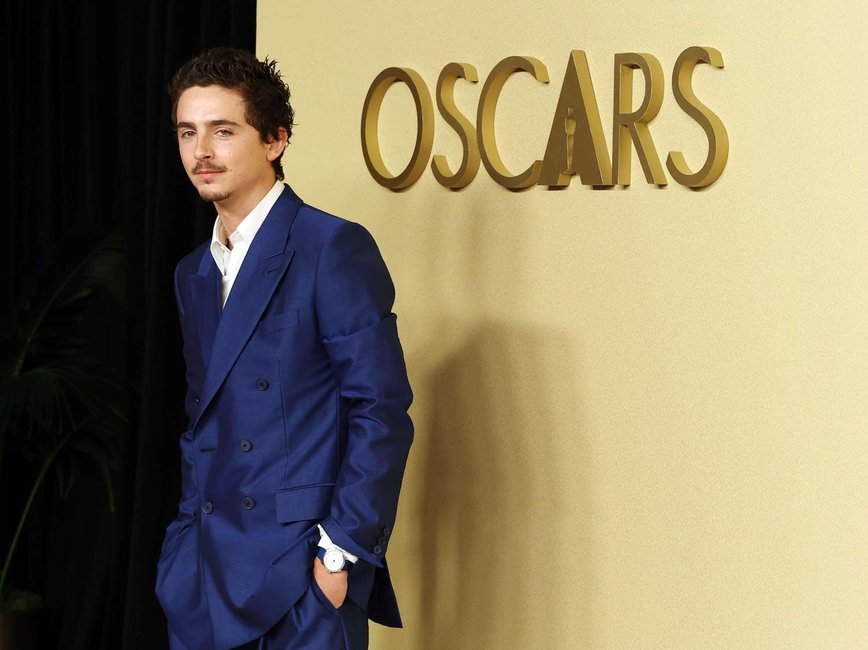
Remember those epic Oscars bashes where everyone dressed to impress, mixed cocktails, and debated winners? Those were the days when the Oscars, Grammys, and Golden Globes felt like global events that pulled in millions live. But fast-forward to now, and while big crowds still tune in, the numbers are slipping–it's not the must-watch phenomenon it used to be.
So, what's the deal? Is it the shows evolving, or are we just over it? To get the scoop, we chatted with experts like a pop culture professor, a psychologist, and a Hollywood publicist, digging into why these glitzy nights aren't capturing hearts like before.
Shifts in Viewership
Awards show audiences have been on a steady decline over recent years, but it's tricky to measure with streaming platforms letting folks watch whenever. For instance, the Oscars in 2025 pulled in 18 million TV viewers initially, jumping to 19.69 million once you factor in Hulu streams and other digital hits.
That's a step up from the 2021 low of 10.4 million, yet it's miles from the pre-pandemic highs of 23.6 million. The Grammys hit a rough patch too, dropping viewers for the second year in a row in 2025, and the Golden Globes saw a 7% dip in 2026 compared to the year before–proving these events aren't resonating like they once did on a global stage.
Why Awards Shows Are Losing Their Appeal
The dip in popularity isn't random–it's tied to how entertainment has exploded in every direction, leaving these shows feeling outdated. From Hollywood to Seoul and beyond, the media world is fragmenting, and awards nights are caught in the crossfire.
They’re Less of a Shared Experience
Back in the '90s and early 2000s, these events were rare, unifying moments that brought people together. "Awards shows used to buzz with real excitement–you had to tune in live for the surprises," shares Amanda Rumore, CEO of The Publicity Collective and former Grammy insider.
But today, with instant replays everywhere, that thrill is gone. As Matthew Donahue, PhD, a pop culture expert at Bowling Green State University, puts it, folks now have endless entertainment options, so why stick around for a three-hour broadcast when highlights hit your feed in seconds?
The Way We Consume Media Has Changed
We're more divided culturally, with personalized streams dominating from Mumbai to Paris. If you're not into the nominated films or artists, what's the draw? Plus, the spotlight often shifts to viral drama over actual wins–think Billie Eilish's bold political comments at the Grammys stealing the show.
Younger crowds see success on TikTok or YouTube without needing a trophy, as Rumore notes, diluting the emotional high of these events. It's all about that fragmented fan world now, where global trends move faster than any red-carpet moment.
They Once Made Us Feel Closer to the Stars
Awards shows were a peek behind the curtain, showing unscripted celeb vibes and fashion that made stars feel real and exclusive. This played into our parasocial bonds, where fans felt connected without the constant access we have today.
But with social media flooding us with celebs' daily lives, that mystery is gone. As Melissa Gluck, PhD, a licensed psychologist, explains, "The mystique of celebrity is fading because we're always in their world–from Instagram stories to TikToks." It's turned awards into just another polished event, losing that intimate spark.
We No Longer Need Award Shows to Humanize Celebrities
Social platforms have made stars super accessible, sharing everything from smoothie recipes to home tours, so the red carpet doesn't feel special anymore. Influencers are the new celebs, rising without traditional paths, and audiences crave raw authenticity over scripted glamour.
As Gluck points out, these highly produced nights clash with the unfiltered vibes of social media, replacing the old shared spectacle with constant, interactive access. It's a global shift that's reshaping how we connect with fame.
Our Priorities Have Shifted
Awards aren't dead–they're just evolving, with real buzz coming from viral clips and memes rather than live views. Rumore sums it up: "The cultural moment is still there, but it's not the same–it's spread across platforms worldwide."
From Hollywood hits to international trends, the impact lives on in social shares and fan reactions, proving these shows adapt or get left behind in our fast-paced pop culture scene.
Categories:

Author: Ethan