
Our Latest News


Where Is Jane Andrews Now? The Shocking Tale Of A Royal Assistant Turned Convicted Murderer
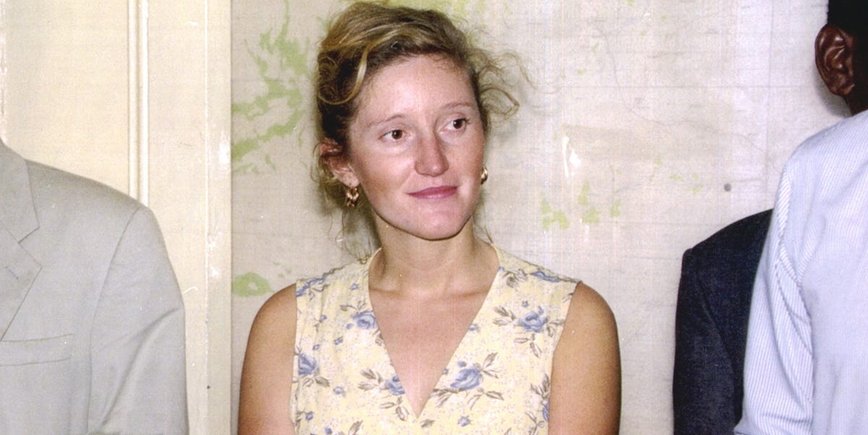
Revisiting a Royal Scandal
ITV's latest true-crime drama, 'The Lady,' has reignited public curiosity about one of the British royal family's most jaw-dropping scandals – the story of Jane Andrews. Once upon a time, Andrews lived in the glamorous world of royalty, serving as a dresser to Sarah Ferguson, the Duchess of York. But in a turn of events that shocked the nation, she became infamous for the murder of her partner, Thomas Cressman, in 2001.
Beneath the polished veneer of royal circles lurked a troubling reality. Andrews, convicted of bludgeoning and stabbing Cressman, claimed she acted in self-defense against his alleged abuse. However, the jury saw things differently, securing her life imprisonment after a high-profile trial that captivated the media.
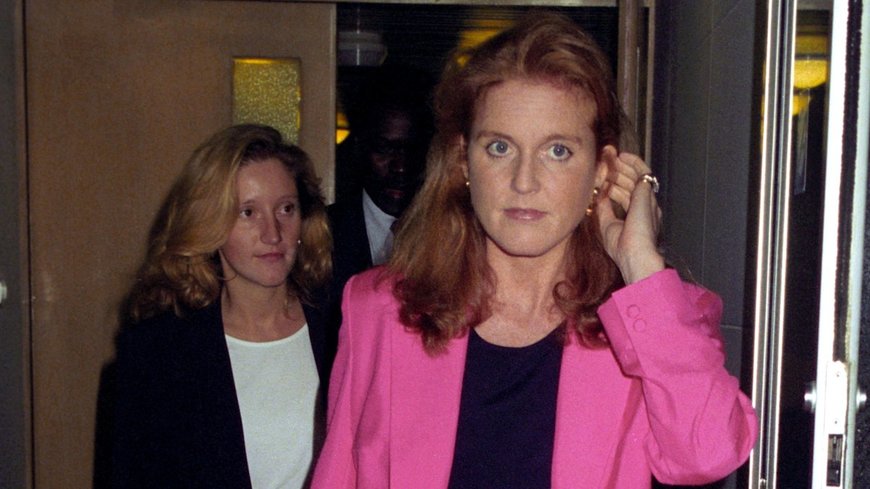
“People at work would laugh and say, 'Tommy picks Jane up from work every night, isn't it sweet?' No, it wasn't," Andrews once said from prison, shedding light on the turbulent relationship.
The Road to Conviction and Aftermath
Following her conviction, Andrews's life became a complex narrative of incarceration and controversy. Initially sentenced to life with a minimum term of 15 years, she briefly escaped from HMP East Sutton Park in 2009, only to be recaptured. Her journey through the justice system didn't end there.
Released on license in 2015, she faced a setback when her license was revoked in 2018 due to harassment allegations. Without charges, she returned to prison, before being released again in 2019. Throughout these rollercoaster years, Andrews expressed deep remorse for her actions, stating she carried the burden of her crime every day.
Where Is She Now?
Today, Jane Andrews remains a figure of intrigue. Recent reports suggest she has turned to an animal-care environment, seeking solace away from the spotlight. Despite the time that has passed, her association with the royal family ensures ongoing media attention.
Harriet Wistrich, CEO of the Centre for Women's Justice, emphasizes the media's focus on Andrews's past, noting that she has no involvement in the ITV drama or other shows about her case. Wistrich highlights the potential for a fresh appeal, considering our evolving understanding of coercive control and mental health vulnerabilities.
The saga of Jane Andrews is far from over, standing as a potent reminder of the complexities behind headline-grabbing stories.

Author: Sophie