
Our Latest News


Tennessee Tightens Its Grip: Campus Sports Betting Ban In The Works Amid Scandal
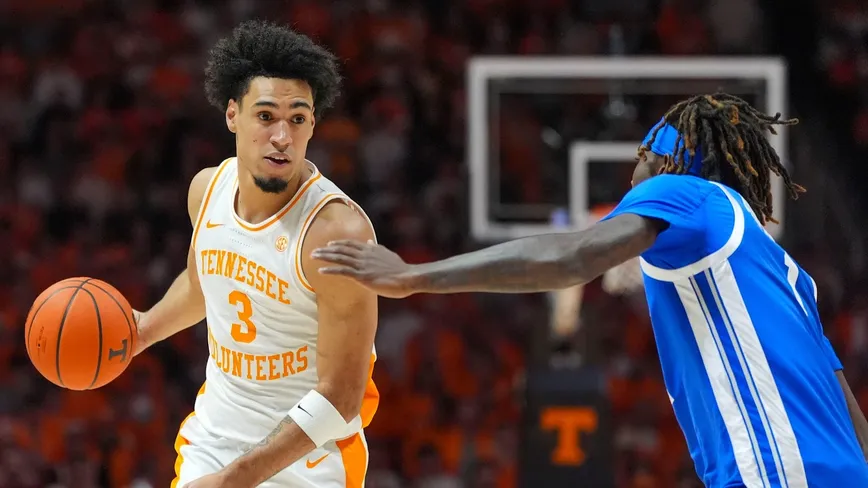
Major Legislative Move: Banning Betting on College Grounds
In an audacious legislative push, Tennessee is taking a hard stance against sports betting on college campuses. The state has rolled out two bills designed to eradicate legal sports betting within college environments, sparked by a bombshell FBI indictment that has rocked the world of men's college basketball. A staggering 39 players from a whopping 17 Division One programs have been embroiled in a massive point-shaving scandal, bringing the issue into the glaring spotlight.
The proposed legislation is looking to bar all individuals from engaging in legal sports betting activities on campus. Not stopping there, the ban extends its reach to a one-mile radius around college grounds, impacting off-campus venues where games might be held. This sweeping measure seeks to limit access to legal sportsbooks, potentially disrupting the lively betting scene on game days.
“It's a bold move by Tennessee to tackle sports betting head-on, but will it be enough to curb the underlying issues?”
Scope and Potential Impact of the Ban
But the crackdown doesn't end with physical spaces. The proposal also targets digital access, suggesting that college Wi-Fi networks could be employed to block gambling websites. This could stymie not only students but also visitors looking to bet through legal sports platforms. The proposed ban has the potential to shake up local betting habits significantly.
Critics, however, are raising eyebrows over the practicality of such a sweeping prohibition. Concerns are mounting that without tackling the allure of offshore and illegal betting sites, the effort might merely shift the problem rather than solve it. Additionally, there’s a fear that an immediate ban could unwittingly boost underground betting networks, posing even graver challenges.
What Lies Ahead for Tennessee Lawmakers?
With these bills still in the legislative pipeline, the conversation is far from over. Stakeholders including legal sportsbooks and regulatory bodies are closely watching the developments, poised to weigh in and possibly influence amendments to the bills. This brewing debate is set to test Tennessee lawmakers' resolve, as they navigate this tangled web of legal, ethical, and practical considerations.
As the legislative session continues, the focus remains on whether these measures will pave the way for cleaner, more ethical sporting events, or if they will inadvertently open doors to new, unforeseen issues. One thing’s for sure – the next few months will be pivotal for Tennessee's sporting landscape.
Categories:

Author: Mia