
Our Latest News


Steven Knight Unveils The 'Peaky Blinders' Movie Twist We Nearly Saw
The Tale of Two Dramas
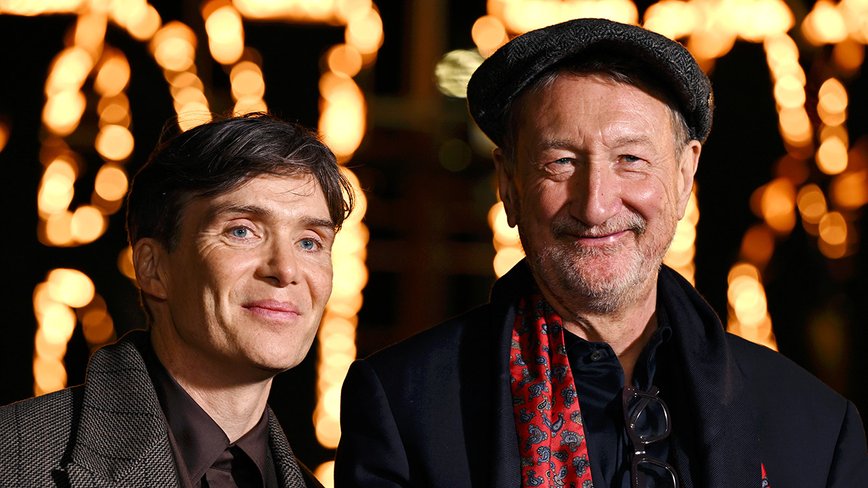
The gripping world of "Peaky Blinders" began its journey in 2013, debuting on BBC Two just before "Breaking Bad" wrapped up. Created by Steven Knight, this crime drama is as addictive as the meth empire run by Walter White, yet it transports us to a different time and place – post-World War I Birmingham, England. Cillian Murphy stars as Tommy Shelby, a man who evolves from street gang leader to a powerful figure with financial and political clout.
Both "Breaking Bad" and "Peaky Blinders" share a darkly comedic tone and complex characters you can't help but root for, despite their criminal paths. And like "Breaking Bad," "Peaky Blinders" has its own cinematic sequel – "Peaky Blinders: The Immortal Man," aiming to offer closure to Murphy’s character, Tommy Shelby, as he navigates the chaos of 1940.
A Scrapped Twist Featuring Tom Hardy
A question on everyone's lips was the fate of Tom Hardy’s enigmatic character, Alfie Solomons. Once a formidable force and frenemy to Tommy, Alfie had barely survived a deadly encounter thanks to Hardy’s insistence. But Knight had other plans in mind – a ghostly twist.
“I had an idea where Alfie appears, and we realize he’s been dead all that time. Now, I nearly did that, and I didn’t do it, but that was a thought.”
While this haunting revelation didn’t materialize on screen, it speaks volumes of the intense storytelling potential "Peaky Blinders" consistently brings to its audience. Knight’s vision for an emotionally charged farewell to Tommy Shelby culminated in a theatrical experience that had fans worldwide sobbing in their seats.
What the Future Holds
Steven Knight is not slowing down. Following the release of "The Immortal Man," he’s already working on a sequel series. Though tight-lipped about specifics, Knight confirms that some characters from the movie will make a return, ensuring the "Peaky Blinders" legacy thrives.
The movie, available on Netflix, was a grand send-off for the character of Tommy Shelby, reflecting the global phenomenon that Peaky Blinders has become – from bars named after the show to tattoos of the iconic characters. As Knight puts it, "That [communal experience] should be our way of saying farewell," marking the end of an era while setting the stage for what comes next.

Author: Ethan

Ethan
Trending topics
Popular