
Our Latest News


Shell'S 2004 Reserves Scandal: The Secrets In The Emails
When the Internal Emails Started Talking
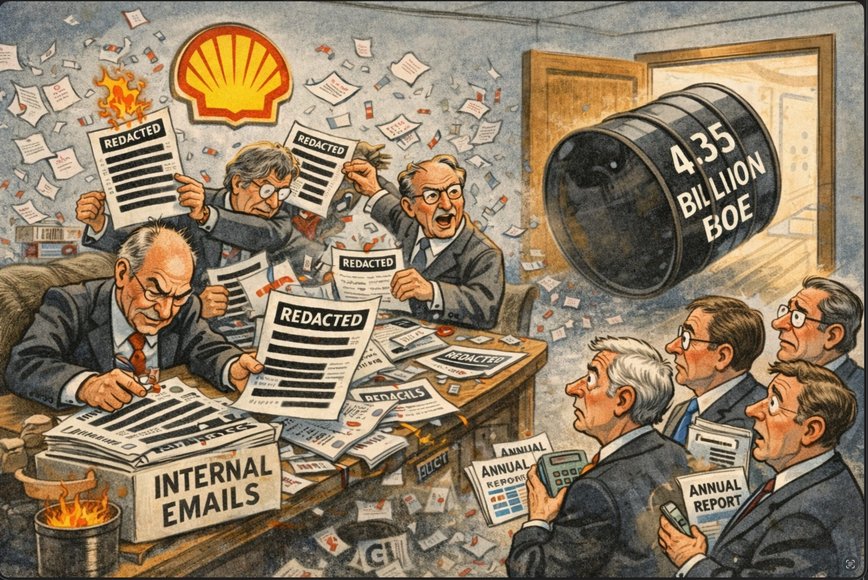
Corporate scandals rarely kick off with a dramatic public confession. Most often, they bubble up from the depths through internal emails, hushed warnings, and uncomfortable questions that everyone is too afraid to address. This pattern was clearly visible during Shell's infamous reserves scandal in 2004. Shell admitted to overstating its oil and gas reserves by a staggering 4.35 billion barrels of oil equivalent – a record-breaking revision in the energy industry.
But the real story? It didn't start with a public announcement. It began much earlier with internal communications that circulated within Shell.
“Shocked, Dismayed and Ashamed”
In one of the most telling documents from that time, Shell's chairman, Jeroen van der Veer, addressed the staff during the crisis. His candid language revealed the blow the scandal had dealt to Shell’s reputation.
“We are going through a very difficult time in the history of Shell… some serious mistakes were made.”
He went on to state the impact on their integrity, both inside and outside the company: "I myself feel shocked, dismayed and ashamed at what has happened." For a company touting ethical values through its Shell General Business Principles, this admission was nothing short of extraordinary.
The Missing Barrels
At the core of the scandal was a fundamental issue: the misreporting of proved reserves, which are crucial for valuing oil companies. These reserves signify the hydrocarbons that can be commercially produced with a fair degree of certainty. Shell later disclosed that 4.35 billion barrels previously categorized as proved reserves needed reclassification. This wasn't a minor accounting tweak; it represented about 20% of Shell’s proved reserves then, leaving investors stunned and regulators irked.
The Internal Explanation
In another internal memo, Malcolm Brinded, a senior Shell executive, tried to calm the workforce while acknowledging the scale of their predicament. He confirmed that the reserves revision would hit the company’s replacement performance hard and emphasized the necessity for more robust processes and controls to avert future crises. But by that point, the damage was already done.
The Regulators Step In
The reserves revision triggered scrutiny from the U.S. Securities and Exchange Commission (SEC) and the UK Financial Services Authority (FSA). Both bodies concluded that Shell had misreported reserves over several years. The fallout saw Shell coughing up hundreds of millions in penalties and settlements, with several top executives stepping down. The scandal forced a major shake-up in Shell's corporate governance.
The Documents That Tell the Story
Today, many documents and communications related to the scandal have emerged publicly, giving a startling look into how one of the world's largest corporations tackled a crisis that almost shattered its credibility. You can access a collection of these materials here: Shell Reserves Scandal Documents.
Ethics Versus Reality
Throughout the scandal, Shell leaned heavily on its General Business Principles, emphasizing honesty, integrity, and transparency. Yet, the scandal revealed a harsh truth about such ethical codes – they often sound impressive yet prove surprisingly powerless when real issues rear their heads.
The Lesson for Investors
Shell remains a powerhouse in the global energy market, with major institutional investors like BlackRock, Vanguard, and State Street holding significant stakes. However, the reserves scandal serves as a stark reminder of the need for transparency and verification in corporate reporting. Because when billions of barrels vanish from the books, you can bet investors will notice.

Author: Mia

Mia
Trending topics
Popular