
Our Latest News


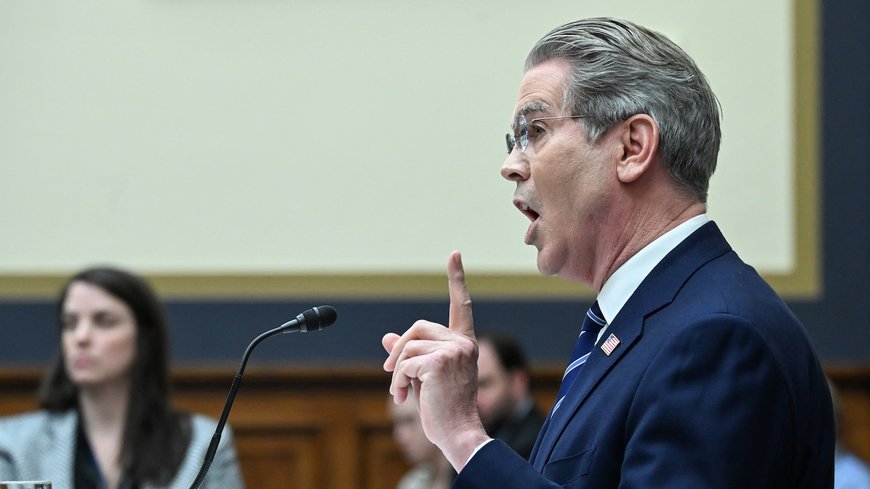
Scott Bessent’S Bold New Plan To Crush Global Scams

A New Era for Financial Whistleblowers
Hold onto your hats, because financial fraudsters are about to feel the heat. Scott Bessent, the US Treasury Secretary, is rolling out an ambitious new program offering hefty rewards to those who blow the whistle on the criminals trying to siphon off taxpayer dollars. Launching this coming Monday, this initiative promises to turn the tables on scammers, showering tipsters with up to 30% of the fines collected from these fraudulent activities.
The Treasury is stepping up its game with this move, especially since Medicare and Medicaid fraud alone bleeds an estimated $70 billion a year. It's a golden opportunity for whistleblowers, as Bessent's plan ensures payouts are drawn directly from the fines, sparing American taxpayers the burden. “Our citizens have a right to know that their tax dollars are not being diverted to fund acts of global terror or to fund luxury cars for fraudsters,” explained one Treasury official, highlighting the program’s greater implications.
Scam Central: Minnesota’s Troubling Reality
This policy comes in the wake of Bessent’s visit to Minnesota earlier in the year, where financial fraud has been spiraling out of control. Somali immigrant networks allegedly swindled government welfare programs out of a staggering $9 billion since 2018. From fake autism clinics to phantom food distribution sites, these scams are as diverse as they are damaging.
The fallout is already making waves, with federal investigators digging deep into these fraudulent operations. Alarm bells are ringing across the nation as it becomes clear that such scams not only drain resources but also pose a threat to national security. The allegations even suggest connections to international terror organizations like Al-Shabaab, painting a chilling picture of the stakes involved.
Treasury’s Tough New Stance
To combat this wave of deceitful activity, the Treasury’s Financial Crimes Enforcement Network is poised to issue a comprehensive advisory. This document will serve as a guide for banks to identify and report suspicious transactions related to healthcare fraud. Financial institutions are being urged to take heed and file Suspicious Activity Reports (SARs) promptly, as lapses could lead to regulatory nightmares.
It’s worth noting that these fraudsters employ sophisticated tactics, from identity theft to laundering cash through cryptos and luxury purchases. The strategies are evolving, and so too must the response. With a zero-tolerance policy spearheaded by the current administration, including President Trump’s executive order, the message is clear: scammers beware.
The Treasury’s warning comes with a laundry list of "red flags" for banks to watch. These include everything from suspicious activity by non-permanent residents to unexplained spikes in medical billing. As cases of fraud continue to mount, the stakes are higher than ever, emphasizing the critical need for vigilance across financial systems.

Author: Mia

Mia
Trending topics
Popular