
Our Latest News


Sam Raimi'S Darkman: The Caped Crusader Who Could Have Been

The 90s Superhero Gold Rush Goes Offbeat
Back in the vibrant days of 1989, Tim Burton’s Batman threw the box office into a frenzy, sparking a mad dash among film studios to create the next big superhero sensation. However, unlike the explosive superhero surge of the early 2000s, studios in the 90s turned to the colorful pulp heroes of the 1930s. Characters like Dick Tracy, The Shadow, and The Phantom leaped from comic book pages to the silver screen, evoking nostalgia and innovation simultaneously. Meanwhile, Universal Studios set its sights on a modern-day superhero, inspired by the success of Batman, to carve out their own franchise.
Enter Sam Raimi – the horror genius behind Evil Dead 2, catching the attention of Hollywood bigwigs. Although Universal Pictures passed on Raimi for their adaptation of The Shadow, his creativity was undeterred. Raimi took matters into his own hands, crafting the screenplay for Darkman, a character from his own short story collection. With Liam Neeson cast as the titular hero, Dr. Peyton Westlake's journey into darkness began. Transformed by an accident, Westlake gains superhuman strength and the ability to disguise himself, seeking vengeance on those who wronged him while struggling with his monstrous identity.
“Darkman was Raimi's chance to show Hollywood what a superhero movie could be – raw, emotional, and unforgettable.”
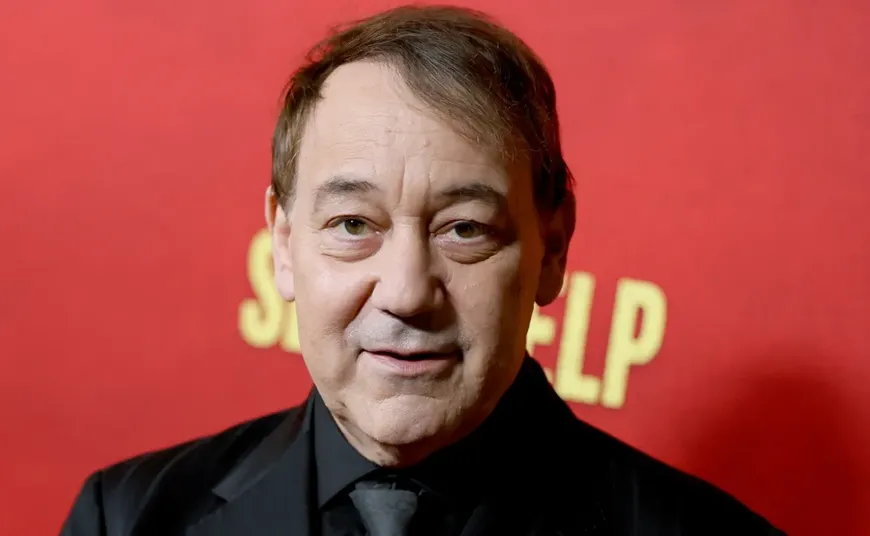
Darkman: A Cult Favorite, But Not a Blockbuster
Despite its innovative storytelling, Darkman wasn’t the blockbuster Universal hoped for. While it managed to open at the number one spot, the success was short-lived. The film's theatrical release didn’t create the cultural splash or franchise momentum that Universal craved. Instead, Darkman quietly retreated from theaters, paving the way for sequels that would end up in the bargain bin, plagued by a recast lead. The film’s unique blend of pulp action and gothic tragedy proved a tough sell in a market dominated by family-friendly content.
Even though Darkman wasn't a commercial triumph, it became a cult classic beloved by Raimi enthusiasts. Its gritty tone and complex character arcs made it both intriguing and inaccessible to the mainstream, contrasting sharply against the polished superhero tales dominating the scene. Darkman didn’t just challenge the norms of the 90s superhero genre – it set the stage for something greater.
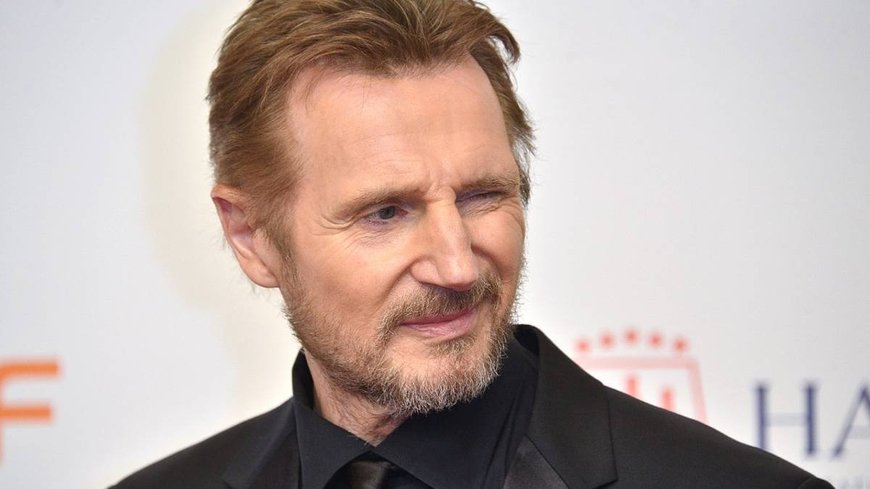
Raimi's Redemption with Spider-Man
Fast forward 12 years, and Sam Raimi silenced the doubters with his groundbreaking work on Spider-Man. Drawing inspiration from Darkman, Raimi crafted a fresh take on Peter Parker’s story, emphasizing the intricate dynamics between characters like Peter and the Green Goblin. In a subtle nod to his earlier work, Raimi even snuck in a glimpse of Darkman during an iconic dream sequence in Spider-Man.
This time, Raimi's vision was embraced, and Spider-Man soared to become one of the most influential superhero films of its era. The lessons learned from Darkman’s journey were evident, proving that a director with a unique voice can redefine a genre when given the chance. For Raimi, Darkman wasn't just a film; it was the blueprint for future triumphs.

Author: Mia