
Our Latest News


Ryan O’Connell Sounds Off On Hollywood'S Gay Content Shift
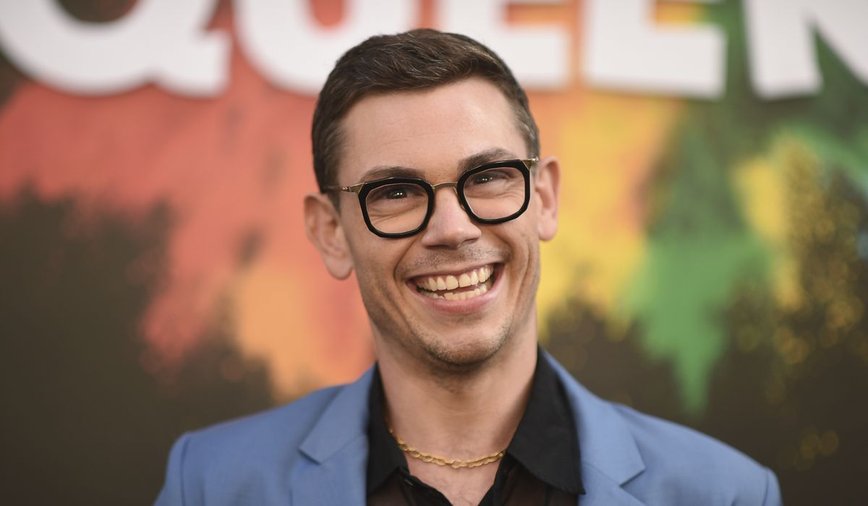
Hollywood's New Landscape: A Shift Away from Gay Content
Ryan O’Connell, the Emmy-nominated powerhouse from Peacock’s “Queer as Folk,” is pulling no punches when it comes to talking about Hollywood's current direction. In an eye-opening chat with Out magazine, O’Connell lamented the industry's retreat from gay-themed narratives, a noticeable shift since his show's debut. “That show came out only three or four years ago and Hollywood has changed so radically since then,” O’Connell expressed, reflecting on the drastic transformation. “It is a miracle that it ever got made, for real. It’s Tim Allen’s world again and we’re just living in it. So much of what’s getting made in Hollywood does not represent the world we’re living in today at all. I think that’s a real shame.”
Promoting "Inspiration Porn": A Candid New Collection
The timing of O’Connell’s critique is no coincidence. He's on the promotional circuit for his latest essay collection, “Inspiration Porn,” dropping soon from St. Martin’s Press. The book dives deep into his personal and professional journeys, including his battles and breakthroughs in an industry that has long been a tough nut to crack for stories like his. “It’s so vulnerable to talk about moments where you feel like you failed,” O’Connell candidly shared about the writing process. Initially filled with anger and bitterness, he reworked his draft to reflect a more polished narrative. “I’m proud of where it ended up,” he noted.
A Voice for Authentic Gay Narratives
Despite the cancellation of “Queer as Folk” after just one season, O’Connell remains grateful that the show even saw the light of day. His passion for authentic gay storytelling is unwavering. “I make gay things for gay people,” he declared, criticizing how many gay-themed books feel "sanitized" for audiences outside the gay community. O’Connell rose to mainstream recognition with “Special,” a semi-autobiographical Netflix series that earned him Emmy nods for portraying a gay man with cerebral palsy navigating life in Los Angeles. His work continues to challenge the status quo, advocating for representation that reflects real lives and experiences.
This article was constructed with the assistance of artificial intelligence and published by a member of The Washington Times' AI News Desk team. For more information, please read our AI policy or contact Steve Fink, Director of Artificial Intelligence.

Author: Mia