
Our Latest News


Rotten Meat Scandal Explodes: India'S Food Nightmare Hits Global Radar
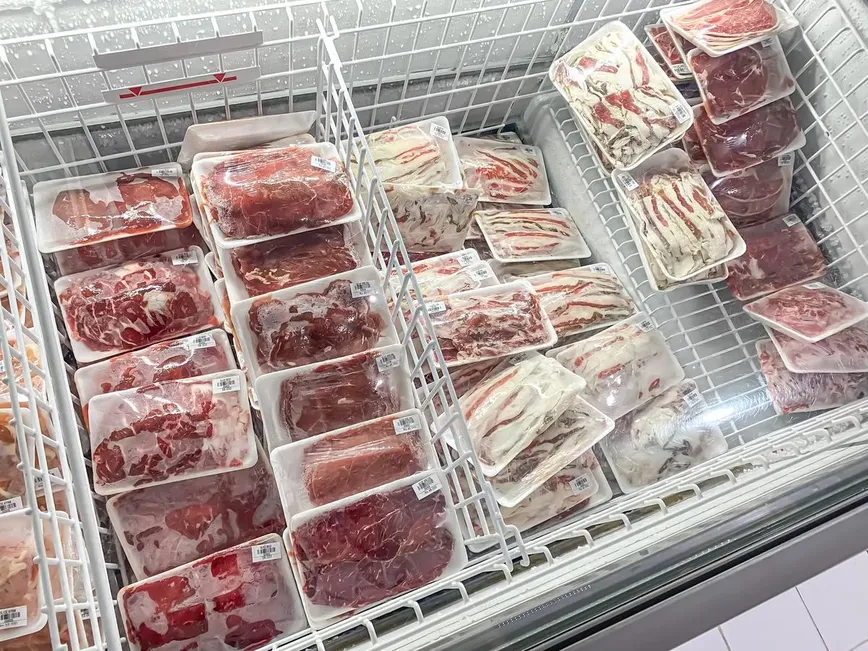
The Shocking Seizure
Picture this: authorities in Jammu and Kashmir bust a massive 12,000 kilograms of spoiled meat, worth a cool ₹29.19 lakh, and it's got everyone from local markets to global watchdogs buzzing. But here's the real kicker—if that's just what they caught, how much rotten grub has already slipped into kitchens across the region? The Health Department dropped a bombshell in the Assembly, revealing that out of 1,676 inspections, only 144 samples were tested and a mere 18 flunked the safety check. That means we're probably looking at a tiny fraction of the problem, with the rest of the Valley's meat supply flying under the radar—leaving families to unknowingly chow down on decayed dangers.
This isn't just a local horror show; it's a wake-up call for food chains everywhere, from the bustling streets of Seoul to the high-end spots in Hollywood. With 4,220 kg nabbed in Srinagar, 3,881 kg in Jammu, and 1,520 kg in Kupwara, thousands of households got hit hard by shady merchants prioritizing profits over people's plates. No arrests? That's fueling outrage globally, as folks question how such a massive health threat could slide by without a single cuffing.
Government Failures and Moral Meltdown
The government's spin on this as 'routine surveillance' is straight-up insulting—it's like saying a celebrity meltdown is just another Tuesday. Families are feeding their kids lab-certified unsafe meat, and kids are the ones paying the price with potential long-term health risks. The Food Safety Department's a mess, running at just 42 percent capacity thanks to 11 out of 19 sanctioned posts sitting empty in the Jammu and Srinagar labs. Meanwhile, police missed red flags at checkpoints, and municipal bodies handed out licenses like candy to risky outfits—everyone's playing the blame game, but no one's owning up.
“Public health demands real action, not empty promises,”
as one official source echoed the growing frustration from Assembly discussions. This scandal isn't just eroding trust in India's systems; it's a betrayal that echoes in places like Paris or London, where food scandals have toppled reputations. For the poor, it's a double whammy—buying meat for a special meal or a sick loved one only to get contaminated junk—and it's crushing honest butchers too, as public panic spreads far beyond borders.
Demands for Immediate Action
Crack Down on Culprits
It's time for prosecutors to step up and charge every establishment peddling this toxic trash under criminal law—no more excuses. The lack of accountability is turning stomachs worldwide, and folks are demanding heads roll to restore faith in the system.
Bolster Safety Teams
Fill those vacant Food Safety positions pronto—within 30 days, at minimum—to get enforcement wings humming at full strength. Without proper staffing, how can anyone expect to keep rotten meat off plates in a global food economy?
Tech Up and Go Transparent
Roll out GPS tracking for meat transport with real-time monitoring to catch sketchy shipments before they hit markets. And don't stop there—make inspection results and enforcement actions public every month so people everywhere can see what's really going on.
Support the Victims
Victims who prove they got sick from this mess deserve compensation, plain and simple. This isn't just about India; it's a call for global standards that protect everyone, from Mumbai's street vendors to LA's celebrity chefs. The social contract's shattered, and only swift, tough moves will fix it—otherwise, scandals like this will keep making headlines across the world.
Categories:

Author: Sophie