Our Latest News


Robert Redford: Mastering Hollywood'S Timeless Cool With Iconic Edge
The Spark of a Style Icon
Robert Redford wasn’t just acting on the set of Three Days of the Condor back in 1975 – he was quietly revolutionizing fashion. When he pulled costume designer Joseph Aulisi aside to tweak his character’s jeans, suggesting a subtle 'Hollywood hem' that kept the frayed, flared look intact, it was a small move with big vibes. This moment showed Redford’s knack for spotting details that made style feel real and lived-in, proving he was always one step ahead in the global spotlight of celebs from LA to London.
Fast-forward through his career, and you see why Redford’s fashion choices echoed worldwide. From red carpets in Cannes to casual strolls in Utah, his understated elegance influenced how people dressed across continents, blending Hollywood glamour with everyday authenticity that fans everywhere are still buzzing about.
Blending Life and the Lens
Redford had a genius for merging his personal wardrobe with his on-screen roles, making every outfit feel effortlessly his own. Take All the President’s Men in 1976, where he teamed up with costume designer Bernie Pollack for corduroy suits and button-down collars that screamed realistic restraint – think DC drama with a dash of star power.
But Redford loved flipping the script; at the film’s premiere, he showed up in a wild paisley shirt with an oversized collar, leaving everyone guessing. Around one-third of the way into his story, insiders often recall how he summed it up:
“It’s all about the details – get them right, and your style does the talking.”
This quote captures his philosophy, resonating with fans from Mumbai to Paris who admire how he kept things fresh and unpredictable.
Iconic Looks That Crossed Borders
Wardrobe Wins on Screen
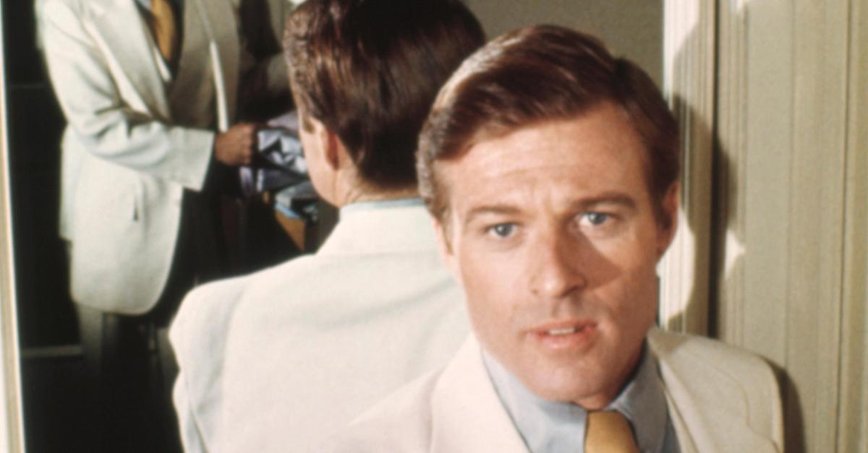
Redford’s splashy film styles, like the navy peacoat from Condor or the newsboy cap in The Sting from 1973, grabbed headlines, but it was his subtler picks that truly shaped global trends. In The Great Gatsby from 1974, he worked with costume designer Theoni V. Aldredge on those pastel-toned shirts that added heart to the glitz, sourced from Jermyn Street’s Turnbull & Asser for that vintage feel.
Off-set, Redford stuck with favorites like Anto of Beverly Hills for his spearpoint collars, proving his style was as adaptable as his roles. Films like The Way We Were in 1973 layered him in varsity knits and collegiate sweaters, sparking a preppy wave that hit international shores, from New York’s streets to European runways.
Rugged Roots and Lasting Layers
Don’t overlook Redford’s Western flair; in Jeremiah Johnson from 1972, that red plaid jacket and frontier vibes reignited a love for rugged wear that’s still seen in today’s global workwear scenes. Even in The Electric Horseman from 1979, he owned those threads, carrying them into real life at events like the Sundance Film Festival.
By the mid-90s, he mixed in soft-shouldered suits, and around 2005, he flirted with monochrome looks, but always circled back to bootcut Levi’s and chequered flannels. His accessories, from Persols to Randolph wire-rims, added the perfect finish, influencing eyewear trends that celebrities worldwide still chase.
The Enduring Legacy
Redford’s style wasn’t just about clothes – it was about authenticity that made everything he wore feel natural and magnetic. As an activist and director, he inspired generations, with his fashion choices echoing in men’s wardrobes from Seoul to LA, proving true cool is timeless.
From custom suits post-Downhill Racer in 1969 to his overall influence, Redford showed how film and personal style feed off each other. If you’re craving more, check out Steve McQueen’s style mastery – another icon who nailed that effortless edge.
Wrapping it up, Redford’s gift was making style speak volumes without trying too hard, a blueprint that keeps fans talking across the globe.
Categories:

Author: Ethan