
Our Latest News


Revisiting 1989: How Tim Burton'S 'Batman' Changed The Superhero Game
The Birth of a Cinematic Revolution
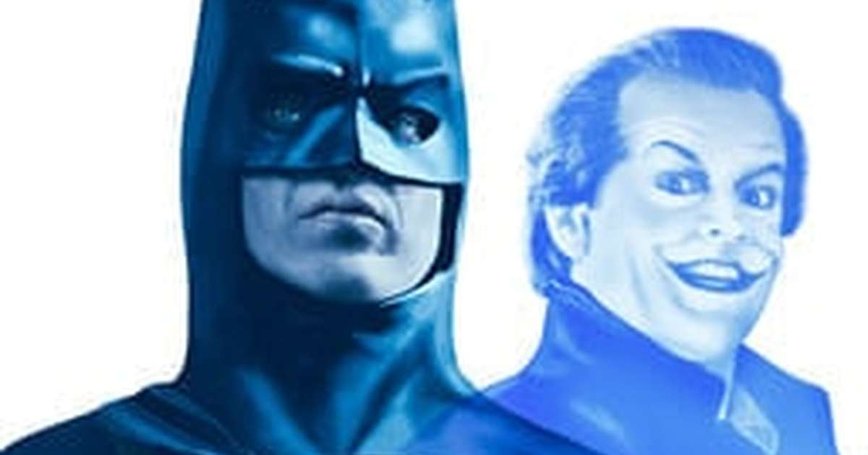
Before the DCU became a household acronym, one cinematic titan set the stage for everything that followed. Enter Tim Burton’s 'Batman' in 1989. This wasn't just a movie – it was a seismic shift in how we see comic-book adaptations. As audiences flocked to the theaters, they were plunged into a moody, rain-drenched Gotham City, with Michael Keaton donning the iconic cape and cowl and Jack Nicholson delivering an unforgettable performance as the Joker – a cultural phenomenon all its own.
Superhero franchises may now dominate the box office, with studios constantly teasing the next epic crossover, but 'Batman' arrived at a time when nobody anticipated superheroes to headline an interconnected universe. Its roaring success was proof that a comic-book hero could anchor a major Hollywood blockbuster, all while retaining a unique, stylish, and deeply personal touch.
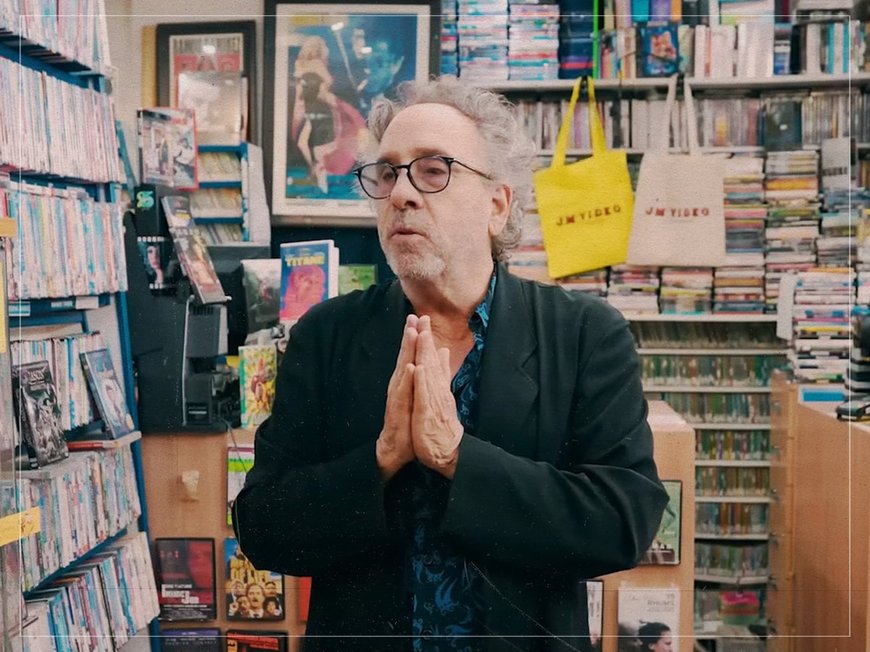
“Burton's 'Batman' wasn't just a film; it was the blueprint for superhero storytelling as we know it today.”
Before the Era of Genre Giants
Sure, 1978's 'Superman' with Christopher Reeve had already set a high bar for superhero films with its sweeping narrative and heartfelt promise: you will believe a man can fly. Its sequel, 'Superman II', kept that momentum alive. Yet, comic-book films had no assured path to success in cinemas. A new Batman movie was a risky venture before the DCU made superhero films a sure bet, daring to stray from the vibrant, comedic essence remembered from the '60s TV show.
Tim Burton took the character in the opposite direction entirely. His Gotham was a city shrouded in shadows, mystery, and danger. Batman, under Burton’s vision, was no laughing matter – he was an urban myth brought to life.
Taking a Leap with Tim Burton
These days, Burton and Batman seem like a match made in cinematic heaven. But back in '89, handing over the reins of such a beloved character to Burton was nothing short of a gamble. Known for his work on 'Pee-wee’s Big Adventure' and 'Beetlejuice' – showcasing his flair for quirky humor and eccentric storytelling – Burton was far from the obvious choice.
Warner Bros. and fans alike were skeptical, especially with Michael Keaton, primarily known for his comedic chops, stepping into Batman's boots. Long before DC Studios could micromanage such decisions, Warner Bros. took a brave risk – and it more than paid off.
The Cultural Phenomenon of 'Batman'
'Batman' didn't just succeed – it exploded onto the scene, catapulting Burton into Hollywood's elite and transforming Batman into a cultural cornerstone. With its iconic black suit, memorable logo, Prince's electrifying soundtrack, and Nicholson’s Joker gracing every magazine cover, it was nothing short of a cultural takeover.
Burton’s approach was less about faithfully adapting comic panels and more about creating a modern myth. His vision of Batman revolved around striking imagery: a shadowy figure, the Joker's sinister smile, a city seemingly sketched by midnight's hand. Despite not being a comic-book aficionado, Burton's distance helped him craft a film that emphasized mood, menace, and the somber soul of Bruce Wayne.
A New Kind of Darkness
Dark tales of Batman were already present in comics, but Burton brought that intensity to the blockbuster scene, setting the stage for the grim portrayals of heroes we see today. In Burton’s film, Gotham was as vital as any character, enveloping every scene with its oppressive ambiance.
Keaton's restrained, intense portrayal of Batman provided the film's emotional core, while Nicholson’s chaotic Joker brought delightful pandemonium. Their iconic clash transcended the typical hero-versus-villain narrative, portraying two flawed men vying for a damaged city.
The legacy of 'Batman' endures because while its effects may be dated, its atmospheric essence remains timeless. Burton didn't chase the realism that later superhero films would pursue; instead, he crafted a dreamlike, theatrical, often unsettling masterpiece. Before the DCU, this was the iconic blueprint.

Author: Ethan