Our Latest News


Paramount'S Bold Move: What Owning Warner Bros. Means For Hollywood
End of an Era or New Beginnings?
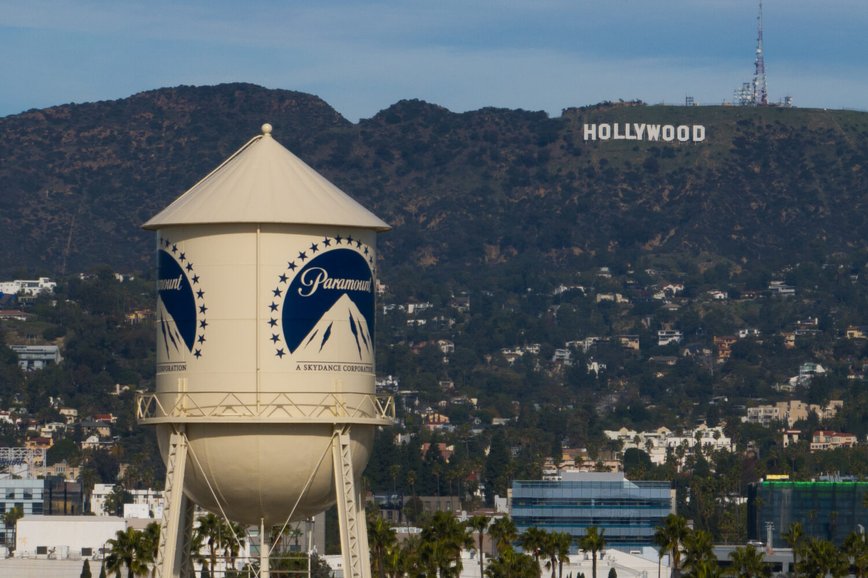
Hollywood's landscape is set for a seismic shift as two of its oldest studios, Paramount and Warner Bros., eye a consolidation. In a jaw-dropping development, Paramount has clinched the deal to acquire Warner Bros., following a fierce months-long bidding war.
Netflix, a key contender, bowed out just last Thursday, citing financial impracticality. They had their sights set on Warner Bros.'s rich film library and assets but couldn't match Paramount's aggressive $31 per share offer. Netflix's previous bid was $27.75 per share, leaving the field open for Paramount to swoop in.
“We believe we would have been strong stewards of Warner Bros.' iconic brands,” said Netflix co-CEOs Ted Sarandos and Greg Peters. “But this transaction was always a ‘nice to have’ at the right price, not a ‘must have’ at any price.”
The transition marks a key moment, reminiscent of the Disney-Fox merger nearly a decade ago, squeezing Hollywood's big five down to four major players: Paramount, Universal, Sony, and Disney.
Paramount's Ambitious Roadmap
David Ellison, CEO of Paramount Skydance, envisions a combined slate of over 30 films annually, retaining the unique identities of both Paramount and Warner Bros. as standalone entities. With a plan to slash $6 billion through strategic job cuts, Paramount aims to revitalize the industry, promising a vibrant future for Hollywood.
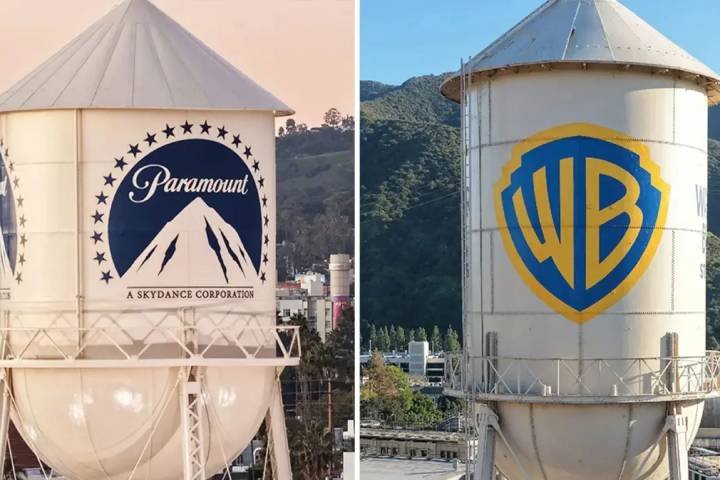
In recent filings, Paramount emphasized, "Our priority is to build a vibrant, healthy business and industry—one that supports Hollywood and creative, benefits consumers, encourages competition, and strengthens the overall job market."
Paramount's merger with Warner Bros. is more than just a business deal—it's a strategic move to better compete with streaming giants and offer richer content libraries.
Industry Reactions and Future Projections
While the industry has been mostly silent amid the Paramount takeover buzz, the upcoming awards season may bring more reactions to the fore. Maggie Gyllenhaal, promoting Warner Bros.' latest film "The Bride," expressed her appreciation for the studio's support, emphasizing the creative freedom she experienced.
Warner Bros. has enjoyed a stellar year with blockbusters, securing 30 Oscar nominations and commanding a significant slice of the box office pie. On the other side, Paramount's 2025 has seen less success, relying heavily on franchise-driven films like "Mission: Impossible."
Cinema United, representing movie theaters, remains wary of the consolidation, despite preferring it over a Netflix-owned Warner Bros., fearing the ramifications on theatrical releases.
What Lies Ahead?
The fate of HBO Max and Paramount+ remains uncertain, with potential bundling akin to Disney+ and Hulu. Meanwhile, the iconic studio lots in California face questions about their future in an industry where local productions are shrinking.
With billions at stake, the deal awaits regulatory approval from the U.S. Department of Justice and other international bodies, leaving Hollywood in anticipation of how this monumental merger will reshape its future.

Author: Ethan