
Our Latest News


Milwaukee'S Wild Censorship Clash: How It Shook Up Tinseltown'S Golden Era
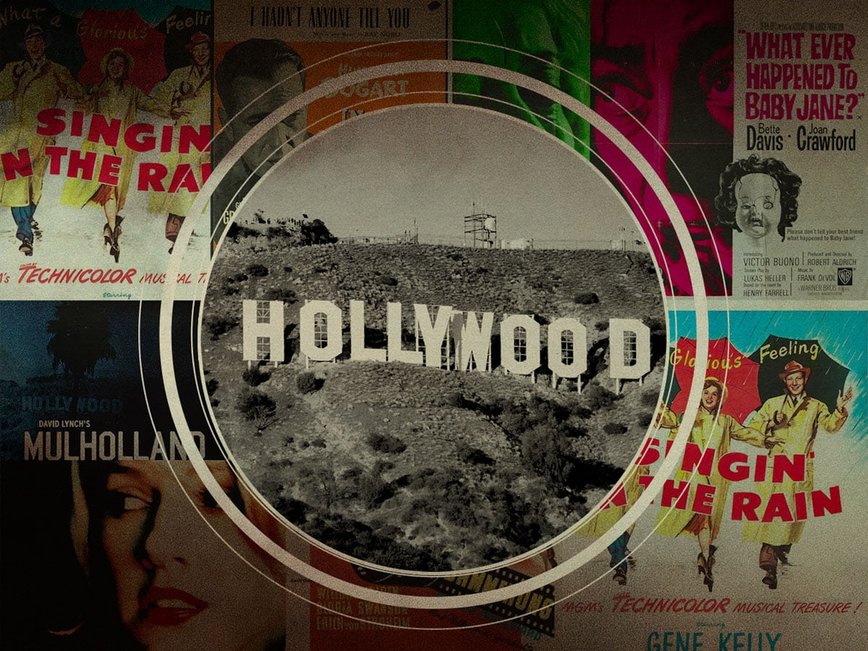
Milwaukee's Hollywood Shadow
Milwaukee might not be the first spot that pops into your head for Hollywood glitz, but back in the day, this Wisconsin hub stirred up some serious drama for Tinseltown. Sure, it's popped up in flicks like Zack Snyder's Dawn of the Dead or that iconic Alice Cooper gag in Wayne's World, but otherwise, it's flown under the radar. The real scoop? For decades, this city waged a fierce censorship war against the movie mecca, making it a surprising thorn in the side of golden-age blockbusters – all because locals were dead set on keeping things squeaky clean.
As cinemas exploded across urban America in the early 1900s, Milwaukee jumped on the bandwagon fast. By 1918, just four years after the first theater opened, the city boasted 40 buzzing movie houses. It was a wild time of innovation, but not everyone was thrilled – enter the censors, who saw films as a potential threat to public morals.
The Birth of Milwaukee's Censorship Machine
In 1914, Milwaukee fired up the Milwaukee Motion Picture Commission (MMPC), one of the toughest watchdogs in the U.S., ready to pounce on anything deemed too racy or rebellious. This group wasn't messing around; they zeroed in on content that could 'corrupt' viewers, blending genuine concern with a hefty dose of control. Think of it as the ultimate vibe killer for Hollywood's creative freedom, especially when new ideas were flooding the screens.
Fast-forward through the years, and the MMPC racked up a list of hits they axed or altered. Early targets included the 1914 film The Dalton Boys for its scandalous shot of a woman's legs – yeah, you read that right. They didn't stop there, banning classics like The Public Enemy, The Outlaw, and even Freaks. To be fair, they did score points by nixing D.W. Griffith's racist nightmare The Birth of a Nation, calling it 'racially incendiary' and saving audiences from that mess.
“It's easy to dismiss those censors as just overly rigid figures from the past, but when you put it all in context, a lot of their moves actually start to click.”
Hollywood's Big Battles and the MMPC's Downfall
One of the MMPC's most notorious beefs was with Rebel Without a Cause, starring the rebel himself, James Dean. They didn't outright ban it, but they forced major cuts, like ditching the opening sequence where Dean's character is in the gutter – so viewers in Milwaukee jumped straight to the police station scene with zero credits. It was a prime example of how far they'd go to tame Hollywood's edge.
By the late 1960s, though, the tide turned with new federal laws opening up what could hit the screens. Theater owners finally pushed back, and the MMPC lost its grip. By summer 1971, the commission was history, freeing films from their iron rule.
Why This Matters in Today's Spotlight
Looking back, all that fuss over women's legs or James Dean's antics might seem laughably old-school, but it's a stark reminder of ongoing censorship battles. With social media and online content dominating now, we're seeing similar clashes over what's 'appropriate' – think TikTok dramas and viral scandals that could make our grandkids roll their eyes at our prudishness.
As we navigate this digital age, the MMPC's story hits home. It's a global tale of how one city's pushback rippled through Hollywood, London, and beyond, proving that control over stories never really fades. Who knows? Maybe our era's 'scandals' will be tomorrow's punchlines, just like Milwaukee's censorship saga.

Author: Ethan

Ethan
Trending topics
Popular