
Our Latest News


Kyoto'S Cinema Revival: Uzumasa'S Century-Old Legacy Shines Bright
A Century of Cinematic Magic
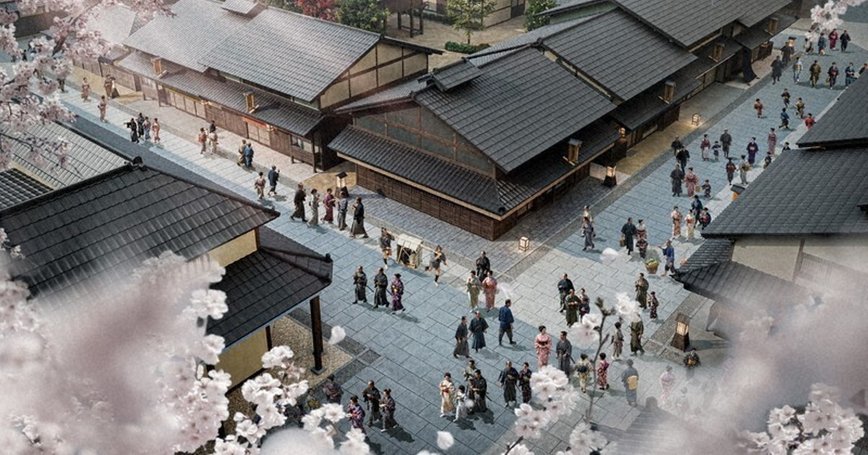
Kyoto is buzzing with excitement as the iconic Toei Kyoto Studio Park gears up for a major transformation. Come late March 2026, this beloved film haven will be reborn as Uzumasa Kyoto Village, celebrating its rich history of period dramas with an eye on captivating audiences worldwide. This isn't just a name change—it's a bold new chapter for a site that's been the heart of Japanese cinema for 100 years.
The story of Uzumasa dates back to 1926, when the charismatic star Tsumasaburo Bando, fondly known as "Bantsuma," opened a film studio here. The location quickly became a powerhouse, with up to eight film companies setting up shop. The zenith of its fame was marked by Akira Kurosawa's legendary film "Rashomon," which clinched the prestigious Golden Lion at the Venice International Film Festival in 1951, cementing Uzumasa's status as the "Japanese Hollywood."
Championing a Cultural Legacy
Ken Takahashi, who joined Toei Co. in 1987, has been an integral part of this film legacy. With a deep affection for period pieces like "Abarenbo Shogun" and "Zenigata Heiji," Takahashi believes that these dramas are far from fading. "Japanese period dramas are only just getting started," he declared, capturing the enthusiasm felt by many.
“I want to show people around the world the appeal of Japanese period dramas,” Takahashi expressed.
Uzumasa’s upcoming transformation is more than just nostalgia—it's about keeping a cultural flame alive. With the park reopening under the theme "wandering into the world of Edo-period Kyoto," visitors will soon be able to immerse themselves in the past with vivid realism. The visual artistry, reminiscent of "The Legend & Butterfly," aims to let adults and children alike step into a bygone era.
Preserving Artistry for the World
Takahashi isn’t just about honoring tradition—he's pushing the envelope to ensure that the skills and craftsmanship of period drama artisans become recognized as intangible cultural heritage. From the thrilling sword-fight choreographers to the delicate recreation of historical societies, the craft behind these productions is unparalleled.
Despite the nostalgia, Takahashi acknowledges the fading familiarity with traditional Japanese living, such as homes with tatami mats. This only strengthens his resolve to bring these stories and settings to a global audience, ensuring that the legacy of Japanese period dramas thrives on. As Uzumasa Kyoto Village prepares to open its gates to the world, the global cinema community eagerly awaits to see what this next century will unfold.

Author: Mia