Our Latest News


Kristen Stewart'S Directorial Leap: Redefining Her Hollywood Journey

Kristen Stewart's Bold New Chapter
Hollywood has always had a soft spot for reinvention tales, but Kristen Stewart isn't just interested in changing her stripes – she's taking back what she believes was always hers. After two decades of captivating audiences on screen, the Oscar-nominated actress has made a striking pivot to directing, and the shift is palpable. Meetings feel transformed, conversations are deeper, and Stewart is noticed in a way she never was before. The change was instant for the actress turned director.
While promoting her highly anticipated directorial debut, "The Chronology of Water," Stewart made a candid remark that sent ripples across the industry: since she became a director, people in Hollywood "talk to me like I have a brain now." This wasn't just an offhand comment; it was a sharp critique of how Hollywood still tends to measure authority.
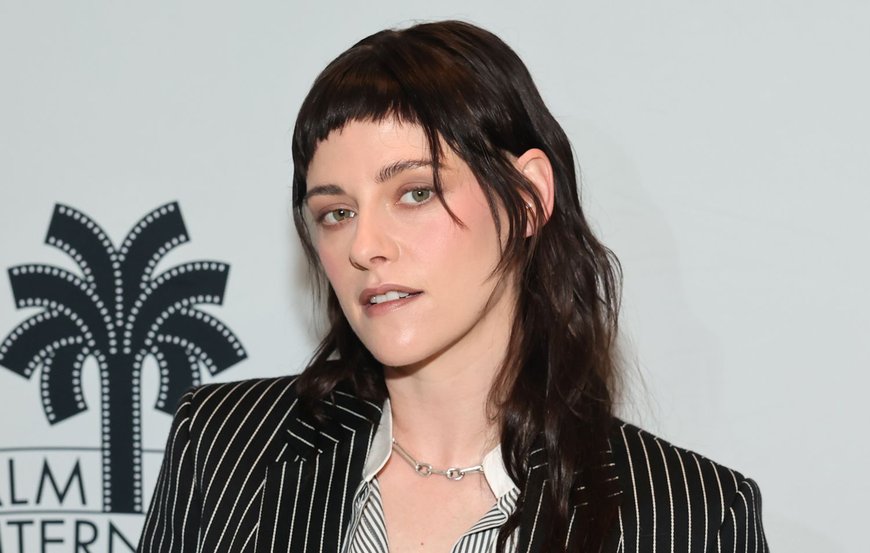
“People talk to me like I have a brain now.”
From Child Star to Global Icon and Beyond
Stewart's love-hate relationship with Hollywood dates back to her childhood. Born into the industry, with her father managing stages and her mother supervising scripts, she burst onto the scene at the tender age of 12 with her role in "Panic Room," opposite Jodie Foster. Yet, it was "The Twilight Saga" that catapulted her to global stardom, a franchise that grossed over $3.4 billion worldwide, making her one of the most identifiable faces on the planet.
With fame, however, came an unfortunate price. Despite her critically acclaimed performances in films like "Clouds of Sils Maria," "Spencer," and "Crimes of the Future," Stewart has spoken openly about how her work in "Twilight" simplified public perceptions of her talent. Even after receiving a César Award and an Oscar nomination, the industry remained slow to reevaluate her role beyond just an actor.
The Directorial Vision: A Personal and Professional Awakening
Enter "The Chronology of Water," a film adapted from Lidia Yuknavitch's memoir that delves into themes of trauma, addiction, and survival. Stewart had kept the memoir close for years, waiting for the right time – both creatively and emotionally – to take the director's helm.
Upon doing so, she witnessed a palpable transformation. Meetings became more meaningful, and artistic discussions turned truly collaborative. No longer was she "handled" or sidelined. The irony lies in the fact that Stewart has been shaping performances and understanding the intricacies of film since childhood. The only true difference now? Her title.
Challenging Hollywood's Quiet Hierarchies
Stewart's outspoken reflections resonate deeply because they reflect the unspoken reality for many actresses in Hollywood. During an interview with The Times, she shed light on the industry's tendency to idolize directors as visionaries while often treating actors, especially women, as mere pawns.
However, Stewart is clear that her remarks aren't rooted in bitterness. Instead, they diagnose a systemic issue. She notes that directing isn't a mystical, exclusive realm but one that Hollywood's reverence for often becomes a gatekeeping tool. Once she stepped into the director's chair, assumptions about her needing ideas simplified for her disappeared. That in itself speaks volumes about the system.
A New Era: Empathy Over Ego
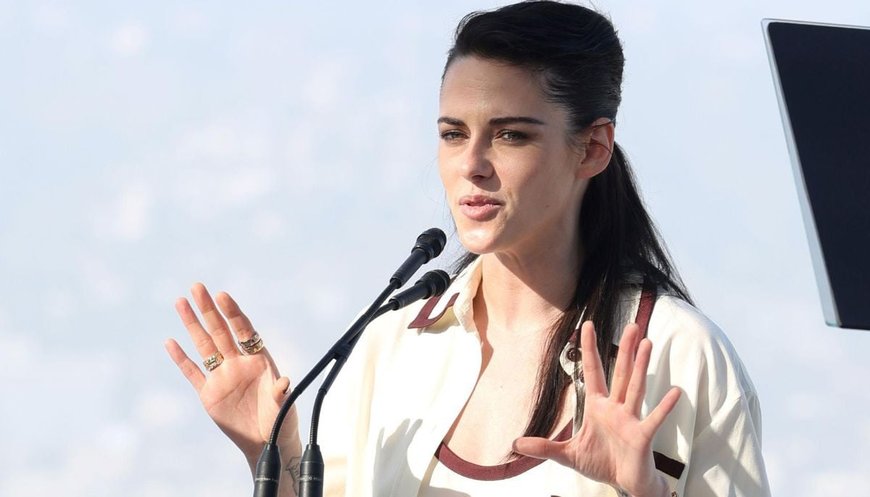
Colleagues who have collaborated with Stewart in her directorial capacity describe a leader who is insightful and performance-oriented. Imogen Poots, star of "The Chronology of Water," has lauded Stewart's sensitivity and clarity, calling the atmosphere on set a collaborative haven rather than a hierarchical structure.
Stewart herself rejects the notion that directors should lead through dominance, emphasizing listening and empathy. This philosophy is shaped by her unique journey – from enduring early fame and public scrutiny to reclaiming her narrative and creative voice.
Why This Shift Matters
Stewart's bold transition arrives at a pivotal moment in Hollywood, with heightened conversations around gender equality and representation behind the lens. Despite strides, female directors still face significant hurdles in securing funding and recognition. Stewart pointed out the troublingly low numbers of major studio projects directed by women, deeming the statistics "devastating."
Her personal journey is intertwined with a larger narrative about power, authorship, and respect in Hollywood. Stewart's evolution from actor to director isn't just a personal achievement but a broader commentary on who gets to be heard in the industry.
Categories:

Author: Sophie