
Our Latest News


Inside The Uk'S Shocking Rental Scandal – The Ugly Truth Behind Temporary Housing
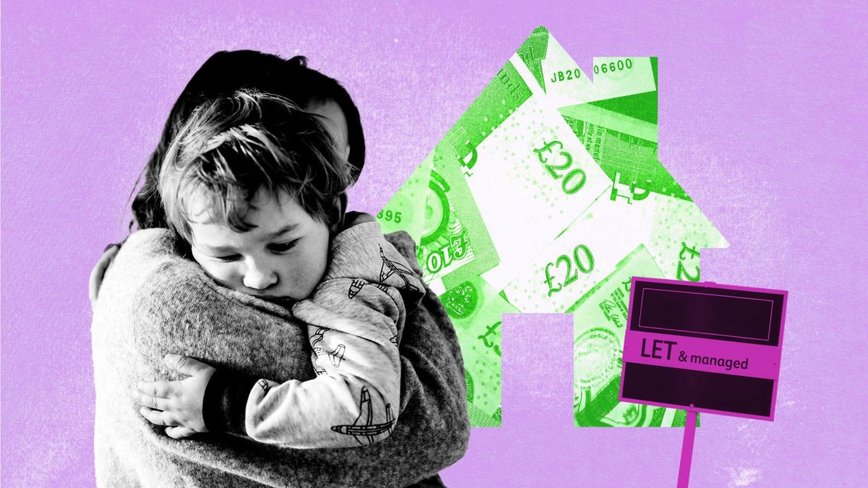
Exposing the Scandal of Empty Homes and Insecure Renting
How do we solve the housing crisis? It's the burning question driving The i Paper's thought-provoking opinion series, which dives deep into the UK's broken housing system. The unsettling reality is laid bare with shocking statistics: since 2019, 104 children have tragically died in temporary accommodation, where the housing conditions played a potential role in their deaths.
Temporary housing options are diverse and often dire. While some might have basic amenities like their own bathroom or kitchen access, others end up in hotel rooms, hostels, or even converted shipping containers with little to no facilities. The grim conditions – mold, damp, and more – have been documented, but the profiteering behind these homes remains underreported. Councils are spending a staggering £2.8 billion annually to provide emergency housing, turning this into a lucrative business for estate agencies and landlords.
“The system is bleeding councils dry while leaving families in intolerable conditions,” a housing advocate commented on the scandal.
Profiteering and the Rent-to-Rent Model
Forget about big hotel chains cashing in – it's high street estate agencies that are raking in the profits. Acting as middle-men, they've spotted a lucrative gap, offering private landlords guaranteed rental payments without the hassle of management. Their strategy? Convince landlords to evict current tenants and lease homes to the agency, who then parcels them out room-by-room to local authorities for homeless families.
This rent-to-rent model sees landlords capitalizing on a desperate housing market. With the COVID-19 pandemic exacerbating the demand for temporary housing, these landlords demand high "nightly rates" – sometimes over £100 per night – bleeding councils dry. This has led to a 180% spike in accommodation costs for councils since 2018, with a 63% rise in households seeking temporary rooms.
The Human Impact and Urgent Solutions
The ripple effect is evident as evictions spike ahead of new rental legislation. Property investors – from local entrepreneurs to TikTok influencers – see this as an opportunity to make quick cash. Evicted families often end up as the very homeless individuals they're displacing, trapped in a vicious cycle.
The urgent need for reform is clear. A long-term solution may include rebuilding the social housing stock. In the interim, councils need to own their temporary accommodation and create self-contained modular housing units. Companies like Portakabin offer quick builds of safe, comfortable housing. Without such interventions, poor conditions and inadequate facilities will persist, with devastating consequences for families, particularly their children.
The UK rental scandal is a damning indictment of a system failing its most vulnerable. It's time for an overhaul, ensuring decent living standards and accountability for landlords who profit off the housing crisis.

Author: Sophie