
Our Latest News


Inside The Scandal: Pharma'S Dark Playbook Exposed
A Scandal Unveiled
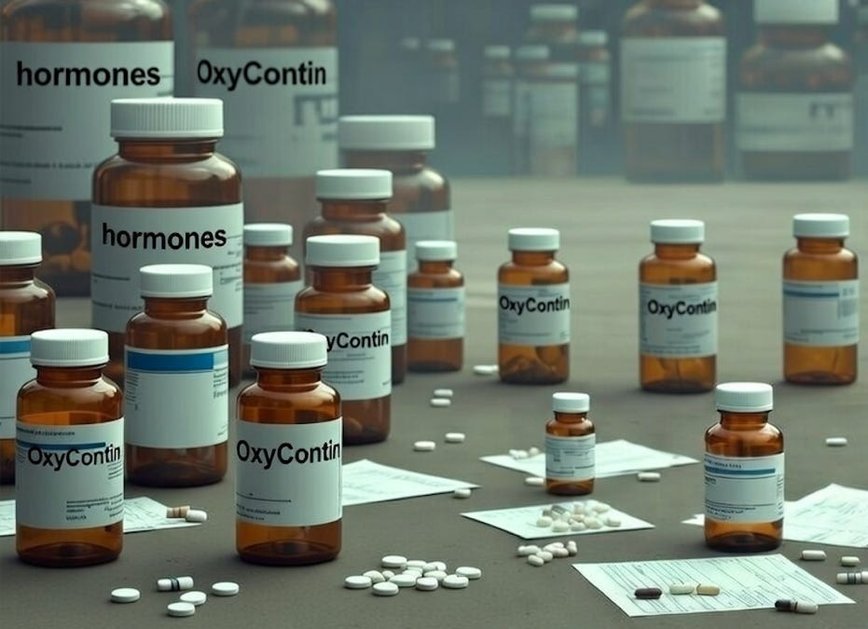
Gerald Posner’s explosive book, “Pharma, Greed, Lies and the Poisoning of America” (2020), pulls back the curtain on Purdue Pharmaceutical's scandalous operations, leading to a tragic opioid crisis costing 800,000 lives in the U.S. Posner details a formula for medical scandals, from opioids to pediatric gender medicine, exposing the underbelly of health care manipulation.
The Blueprint for Scandal
In his investigation, Posner outlines the steps from creating a patient pool to promoting pseudoscience, using front organizations, and offering financial incentives for compliance. The opioid crisis began with opioids prescribed for short-term use, but Purdue had other plans. By shifting focus to "opioid-naïve" groups and marketing OxyContin aggressively, prescriptions skyrocketed to 14 million by the early 2000s.
“To date, I’m unaware of an individual claiming ability to orgasm when they were blocked at Tanner 2.” Dr. Marci Bowers
Gender Medicine – A Growing Concern
Mirroring the opioid crisis, the rise in gender clinics and treatments like puberty blockers reveals a similar narrative. The 'Dutch Protocol' paved the way for a new model of treating gender dysphoria, moving from “watchful waiting” to “affirmation-only.” This transition capitalized on vulnerable populations, echoing the expansion tactics seen with opioids.
Pseudoscience and Deceptive Practices
Both medical scandals leaned heavily on dubious research and inflated claims. Just as Purdue relied on a brief letter to market OxyContin as minimally addictive, gender treatments were based on studies that lacked rigorous controls and ignored adverse events.
The Role of Activism and Compliance
Activist-run organizations helped both scandals gain traction. Purdue found allies in groups like the American Pain Society. Similarly, WPATH has played a central role in advancing gender treatment agendas, despite evidence of questionable practices and outcomes. These organizations create an illusion of independence while pushing pharmaceutical objectives.
The Financial Stakes
The financial incentives are massive. OxyContin sales soared to $3.1 billion, while gender medicine offers Big Pharma a long-term revenue stream. The cost of transitioning one patient over a lifetime can reach $500,000, making the potential market worth tens of billions globally.
Legal Battles and Future Reckonings
With the first malpractice case won by detransitioner Fox Varian in 2025, legal actions are escalating. The case signals the beginning of a wave of lawsuits in the U.S., U.K., and Canada, challenging the practices of pharmaceutical giants. As history shows with opioids, once lawsuits start, the industry pivots to correcting the crises it helped create. Now, there's a shift towards framing adult-only modification as a right, not a treatment.
These developments are a stark reminder of the dangers of unchecked pharmaceutical power, highlighting the need for vigilance and accountability in the medical field.
Categories:

Author: Mia