Our Latest News


Hollywood'S Fierce Lesbian Power Duo Who Dominated Tinseltown'S Golden Age
The Rise of a Filmmaking Trailblazer
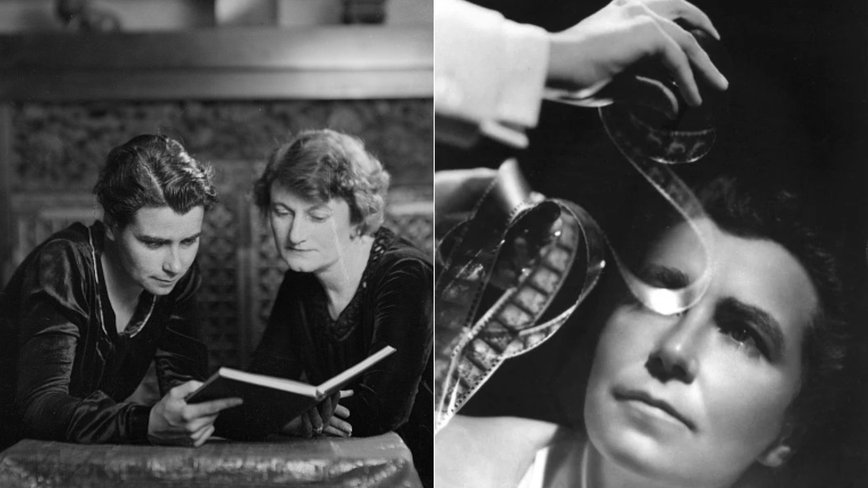
Dorothy Arzner made her mark as the ultimate "mother goddess of women's filmmaking" in Hollywood's golden era, directing a string of groundbreaking films from 1928 to 1943. Her work, including hits like Working Girls, Merrily We Go to Hell, and Dance, Girl, Dance, delved deep into women's relationships and flipped gender norms on their head, making waves across global film scenes from LA to London. Arzner's bold vision turned her into a force in the industry, captivating audiences worldwide with stories that were ahead of their time.
Beyond her films, Arzner racked up impressive firsts that changed Hollywood forever. In 1936, she became the first woman to join the Directors Guild of America and even invented the boom microphone during the shift to talkies, proving her genius extended far beyond the screen. She had an eye for stars, launching careers for icons like Lucille Ball, Katharine Hepburn, and Maureen O’Hara in their early big roles, all while keeping the global spotlight on Tinseltown's evolving landscape.
Love, Rumors, and Hollywood Intrigue
It was on the set of Arzner's debut feature, Fashions for Women, that she crossed paths with choreographer Marion Morgan, kicking off a sizzling romance that blossomed into a lifelong partnership. The pair collaborated often, blending their creative worlds and staying together for over 40 years, becoming one of Hollywood's most talked-about secret power couples amid the glitz of LA and beyond.
Their relationship wasn't without drama, though, as whispers of Arzner's flings with other stars like Joan Crawford, Hepburn, and Billie Burke fueled endless gossip in celebrity circles. "Arzner was the ultimate enigma of passion and talent, a woman who lived boldly in a world that tried to keep her hidden," noted a film historian reflecting on her legacy. Despite the rumors, Arzner and Morgan built a life filled with shared projects, facing down the era's scandals with quiet strength that echoed through international film communities.
Legacy and Lasting Impact
A Shift to New Horizons
In 1943, Arzner stepped away from feature films due to a mysterious illness and the tightening grip of the Hays Code, which ramped up scrutiny on her progressive themes. She pivoted to directing military training films and even teamed up with Joan Crawford for Pepsi ads, keeping her creative spark alive in unexpected ways. Later, she became a cherished film professor at UCLA, mentoring up-and-coming talents like Francis Ford Coppola and influencing the next wave of global storytellers.
Her influence stretched far, even if recognition came late. Arzner never got an award during her lifetime but earned a star on the Hollywood Walk of Fame in 1986, thanks in part to efforts by Jodie Foster to preserve her letters and contributions at UCLA. This ensured her story lives on, inspiring filmmakers from Hollywood to Mumbai and beyond.
Honors and Cultural Echoes
Arzner's trailblazing spirit continues to resonate, especially in conversations around queer history and women's rights in entertainment. Tags like #ComingOut and #History highlight how her work touched on themes of identity, social justice, and more, making her a timeless icon. With her partnership with Morgan, she proved that love and creativity could conquer even the most rigid Hollywood norms, leaving a legacy that's still buzzing in pop culture today.
Preservation efforts, boosted by figures like Foster, keep Arzner's story alive, ensuring fans worldwide can dive into her archives. From Pride events to film festivals, her impact reminds us that Tinseltown's golden age was full of hidden gems waiting to be uncovered, sparking ongoing debates and celebrations across the globe.
Categories:

Author: Ethan