
Our Latest News


Hollywood Shocker: Director Carl Rinsch Sentenced In $11M Netflix Fraud Scandal
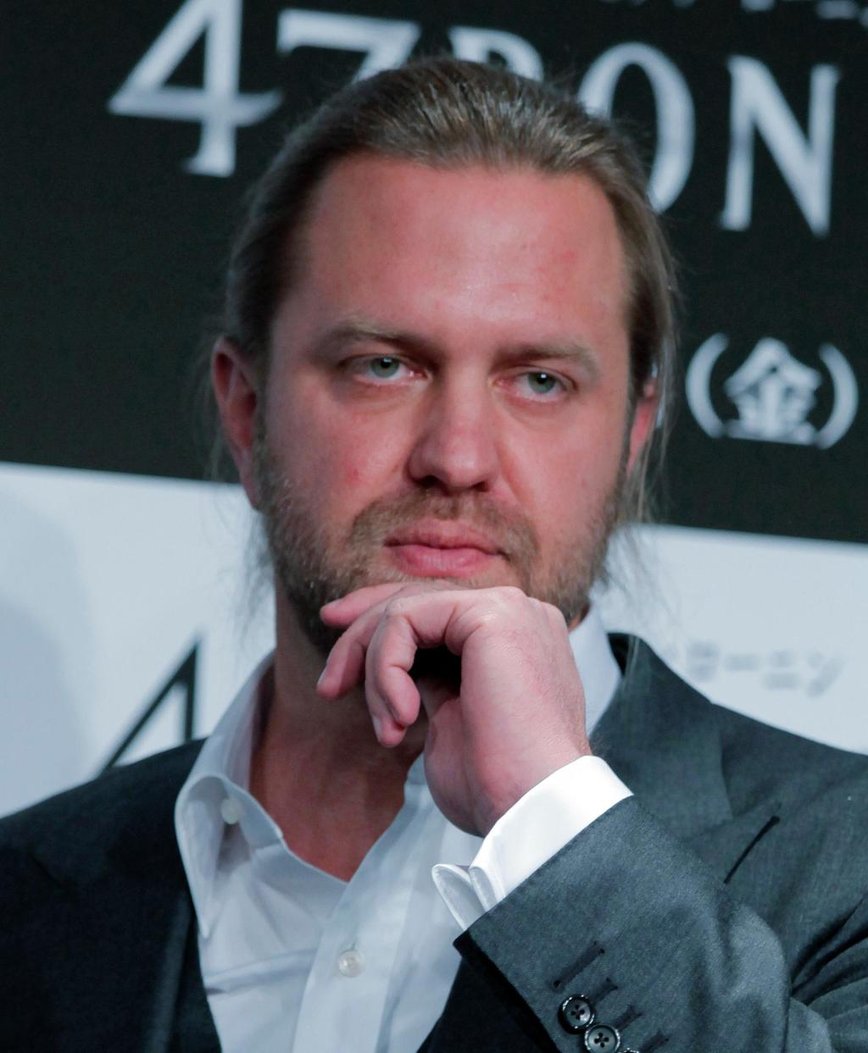
Director Sentenced for Netflix Fraud
Hollywood is reeling as writer-director Carl Rinsch has been sentenced to 2 1/2 years behind bars. Convicted of siphoning $11 million from Netflix for a sci-fi series that never saw the light of day, Rinsch's case has set tongues wagging across the industry. Despite support from A-listers like Keanu Reeves, Rinsch couldn't escape the verdict handed down on Monday.
Rinsch, known for the 2013 film “47 Ronin,” fell from grace after a December conviction on federal wire fraud and other charges. The court heard how he convinced Netflix to fork over $11 million for "White Horse," a project that sadly remains unfinished. Instead, Rinsch funneled the funds into luxury cars, watches, and even two extravagant mattresses costing $638,000. "This process has forced me to confront things about my health, my judgment, and my life," Rinsch admitted, apologizing for the hurt he caused.
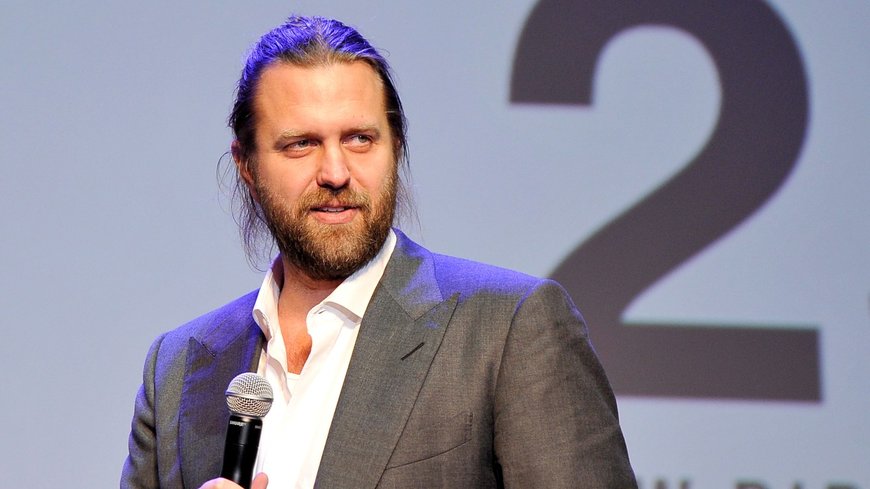
“Rinsch had every possible advantage,” prosecutor David Markewitz said, noting his privileged background and connections.
A Life of Excess
Rinsch argued that mental health struggles and medication issues fueled his reckless decisions, but the details remained vague. Prosecutors painted a picture of greed, insisting he deserved a five-year sentence. They detailed his lavish spending spree, which included five Rolls-Royces, a Ferrari, and $652,000 on watches and clothes. He also spent a jaw-dropping $295,000 on luxury bedding while settling $1.8 million in credit card debt.
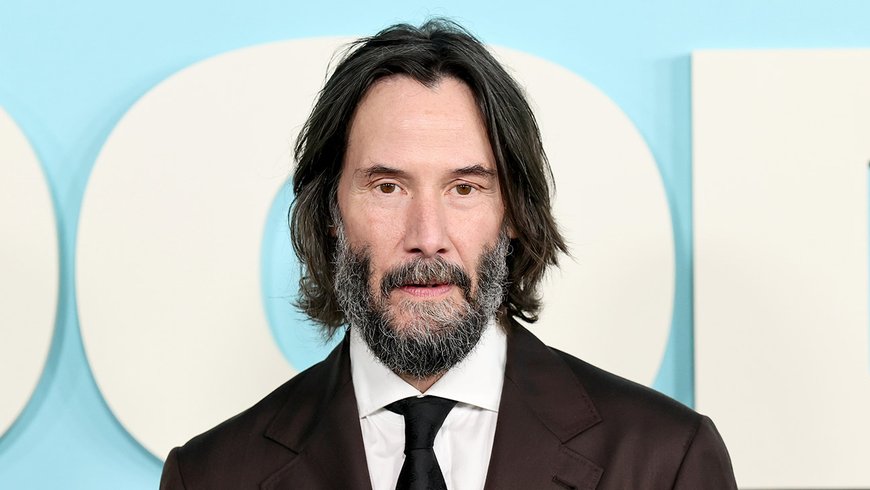
Keanu Reeves, who starred in Rinsch's "47 Ronin," described the director as someone who brings joy and creativity to those around him. In a letter to the court, Reeves acknowledged Rinsch's self-sabotaging tendencies but pleaded for leniency, hoping for a mix of justice, mercy, and leniency in the sentencing.
The Verdict and Aftermath
The courtroom drama concluded with U.S. District Judge Jed S. Rakoff attributing some of Rinsch's actions to mental health issues but maintaining that he was determined to deceive Netflix. As the sentence was pronounced, Rinsch's focus remained on the paper in front of him, scribbling, while his lawyer offered a comforting pat on the back.
His exit from the courtroom was met with hugs from supporters, but little was said. Rinsch, slated to begin his sentence in September, plans to appeal, according to his legal team. Netflix, tight-lipped on the sentence, had initially entrusted Rinsch with $44 million, later topping it up by $11 million. Now, the saga leaves a mark on both the platform and its once-promising collaborator.

Author: Ethan