
Our Latest News


Google'S $2 Million Ai Boost For Artists Shakes Up Hollywood Tech Debate
Google's Ambitious AI Initiative: A Game Changer for Artists
Google.org is stepping up its game in the tech world by investing a whopping $2 million to train over 100,000 artists in foundational AI skills. This grand move sets the stage for a massive shift in the entertainment industry and is expected to raise the stakes in the heated debate over AI's role in creative fields.
The funds will create an AI Literacy Alliance, working hand in hand with The Gotham and Film Independent, both champions of independent filmmaking. This alliance is spearheaded by the Sundance Institute, known for its dedication to independent storytelling through its renowned annual festival.
“This initiative reflects a broader trend: major tech players are no longer just supplying AI capabilities, but actively helping define how AI should responsibly coexist with human creativity,” said Kevin Chang, culture tech researcher.
Hollywood's AI Conundrum: Navigating a New Era
As Google pours resources into this educational push, Hollywood continues to grapple with the implications of AI. There's a growing call for enforceable rules on AI use, particularly around consent and creative control. This initiative comes at a time when only a quarter of media companies are investing in similar AI training, highlighting the rapid pace of technological change.
The project includes online courses, scholarships for Google's AI Essentials, and an AI Creators Fellowship. It also offers artists early access to innovative tools like Flow, Google's own AI filmmaking tool, paving the way for a new wave of creative experimentation.
Star Reactions: Protecting Creativity in the Digital Age
Amid this shift, Hollywood stars are not sitting idly by. Actor Matthew McConaughey has made headlines by securing trademarks on his legendary "Alright, alright, alright" line, a strategic move against unauthorized AI reproductions of his voice. This legal maneuver highlights the industry's concern over AI's potential misuse.
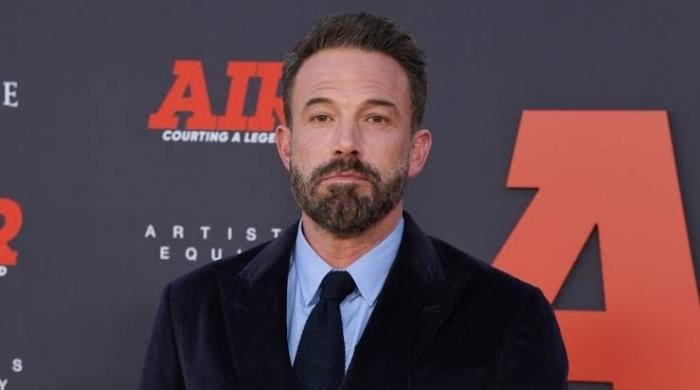
Another bold voice in the conversation is Ben Affleck, who recently shared his thoughts on AI during a podcast appearance: "It's going to be good at filling in all the places that are expensive and burdensome," he remarked, emphasizing that AI should complement, not replace, human creativity.

Author: Sophie