Our Latest News


Gen Z Uprising: Hollywood'S Macho Era Crashes As Young Fans Demand Real Men
The Buzz on Gen Z's Hollywood Shake-Up
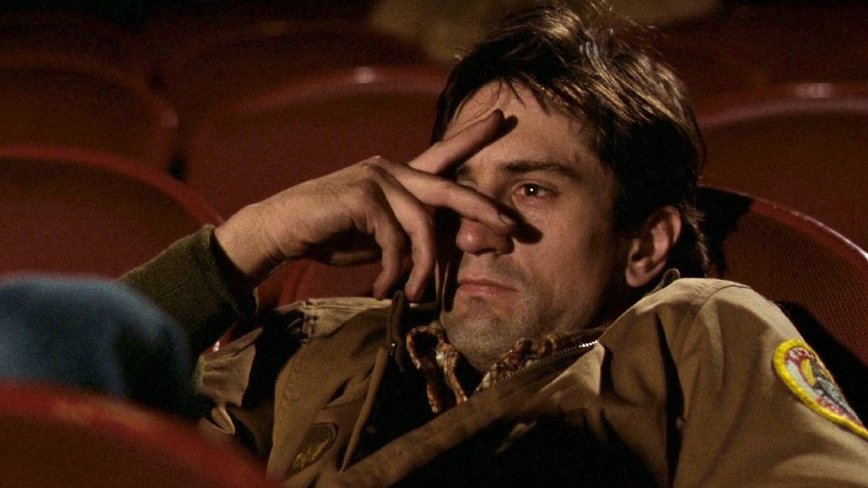
Gen Z – that powerhouse generation born roughly from 1997 to 2012 – is done with Hollywood's tired tropes that have dragged on since the dawn of cinema in the 1890s. They're ditching the bloated runtimes and stale plots, but now they're zeroing in on something deeper: the over-the-top hypermasculinity that's made male characters look like untouchable loners. This isn't just a passing fad; it's a full-on rebellion that's echoing from LA studios to London sets, with young audiences worldwide craving stories that feel authentic and emotionally raw.
As global pop culture evolves, Gen Z's preferences are reshaping what hits the screens in Hollywood, Seoul, and beyond. They're calling out the recycled macho stereotypes that have plagued films for over a century, demanding a fresh take that aligns with their values of openness and realness. Everyone's talking about how this could redefine blockbusters and binge-worthy series, making Tinseltown finally catch up to the times.
Diving into the UCLA Study
A fresh report from UCLA's Center for Scholars & Storytellers, based on their 2025 Teens & Screens survey, polled 1,500 kids and young adults aged 10 to 24 across the nation. Titled 'Gen Alpha and Gen Z: Evolving Masculinity,' it uncovers how these generations are rejecting traditional tough-guy roles in favor of men who embrace vulnerability and emotional bonds. This study isn't just stats – it's a wake-up call for storytellers everywhere, from Mumbai's Bollywood hubs to Paris's film festivals, showing that the demand for change is universal.
The research highlights a major cultural pivot, with Gen Z and Gen Alpha (those born up to 2025) wanting male characters to step away from isolation and into roles that celebrate joyful fatherhood and mental health openness. It's all about balance, proving that this shift is more than a trend – it's a movement gaining traction in global media circles.
Key Findings from the Survey
Nearly 60% of respondents are clamoring for more depictions of dads who openly express love and find joy in parenting, while 46% want stories where men seek help, especially for their mental well-being. This push against outdated stereotypes is fueling conversations in Hollywood writers' rooms and beyond, as creators rethink how to portray masculinity for a worldwide audience.
The study's authors emphasize how this builds on their 2020 tip sheet for storytellers, which has already influenced TV production globally. It's clear that Gen Z's voice is loud, and it's reshaping narratives from LA to international stages.
What This Means for On-Screen Heroes
If Gen Z has its way, Hollywood's leading men – think Ryan Gosling's brooding roles – could soon trade in their stoic vibes for something more heartfelt and connected. This evolution feels like a breath of fresh air, with young fans worldwide eager for male characters who are affectionate fathers and emotionally available partners, ditching the lone-wolf act for good.
"Our findings reveal a profound cultural shift: Youth are craving a version of masculinity defined by emotional availability and joyful connection... By highlighting these narratives of partnership and care, storytellers can offer a vision of masculinity rooted in hope and love."
This quote from Yalda Uhls, the study's senior author and CSS founder, captures the essence of the change, underscoring how modern audiences want heroes who aren't afraid to show their human side. It's a call to action that's resonating across global entertainment hubs.
Balancing the Big Picture
While Gen Z is pushing for this softer side of masculinity, it's not about erasing the old-school strength that has defined so many iconic films. The real win here is finding a middle ground, where male characters can be complex – mixing toughness with tenderness – to reflect the full spectrum of real life. This balanced approach could lead to richer stories that appeal to everyone, from Hollywood's elite to fans in Seoul and Mumbai.
Ultimately, this shift highlights Hollywood's opportunity to evolve, ensuring that future blockbusters capture the nuances of human experience. As the industry adapts, it's clear that Gen Z's influence is just heating up, promising a more inclusive era for global pop culture.

Author: Ethan