
Our Latest News


From Yorkshire To Hollywood: Croda'S Century-Old Journey Behind 'Lorenzo'S Oil'
From Humble Beginnings to Global Recognition
Nestled in the quiet corners of East Yorkshire, Croda International sprouted from a disused waterworks, transforming into a FTSE 100 powerhouse. Celebrating its 100-year milestone, the company reflects on its unexpected journey from rural roots to the glitz of Hollywood, all through a captivating medical narrative that touched hearts worldwide.
The Story of Lorenzo’s Oil
In a quaint housing estate in Hull, streets bear the legacy of an American boy, Lorenzo Odone. Diagnosed in 1984 with the rare and severe brain disease adrenoleukodystrophy (ALD), doctors gave the young boy little hope. Despite this grim forecast, his parents embarked on a relentless quest, culminating in a treatment that would extend Lorenzo's life significantly.
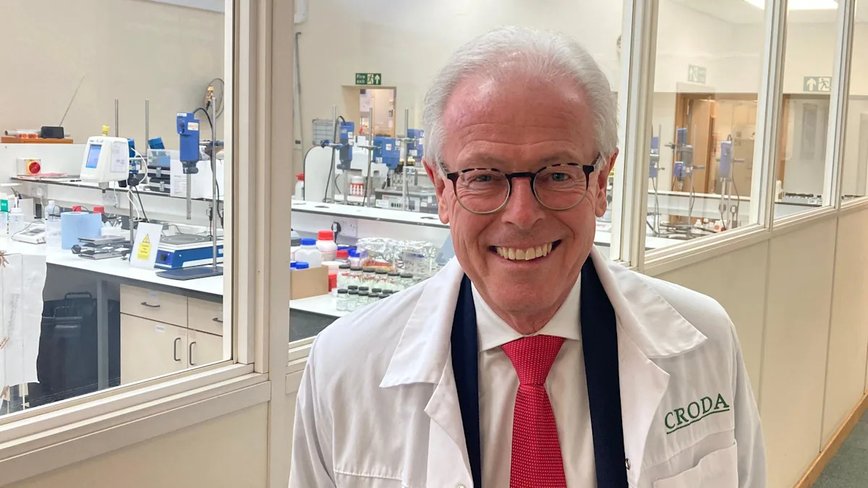
“We were approached by a chap called Augusto Odone who was the father of Lorenzo, which the product is named after,” recalls Keith Layden, a non-executive director at Croda.
Their tireless dedication was immortalized in the 1992 film 'Lorenzo's Oil', starring Nick Nolte and Susan Sarandon. But how did a Hull-based company end up at the center of this Hollywood tale?
The Making of a Miracle
Lorenzo’s father, Augusto Odone, with no formal scientific background, delved into medicine and biochemistry, crafting a potential treatment using olive and rapeseed oil acids. Croda, with bustling manufacturing facilities in Hull, was soon involved. Chemist Don Suddaby, close to retirement, distilled the formula into what became known as Lorenzo’s oil.
Keith Coupland, Croda's technical director at the time, championed Odone's innovative approach. "In typical Croda spirit," Layden shares, "we'll have a crack at this. This sounds interesting."
Croda's Legacy and Impact
Founded in 1925 by George Crowe and Henry Dawe, Croda's early days involved producing lanolin from sheep's wool at a facility in Rawcliffe Bridge. Over the decades, the company expanded, now headquartered at the stately Cowick Hall. Its legacy grew as they moved into pharmaceuticals, especially after their involvement with Lorenzo’s oil.
Croda's venture into healthcare was catalyzed by the film’s success, creating a new division by 1997 and becoming a pivotal player during the COVID-19 pandemic with the MRNA vaccine production.
Despite the debate over Lorenzo's oil's efficacy, Croda’s impact remains monumental. "As a FTSE 100 company, there's a lot of focus on financial metrics," Layden adds, "but you need more of a purpose."

Author: Sophie