
Our Latest News


From La To Bangkok: The Inside Scoop On Snagging Thai Citizenship In 2026
Introduction to the Thai Citizenship Buzz
Foreigners aiming for Thai citizenship in 2026 are buzzing with questions, and here's the lowdown: it’s not a quick hop, often requiring years of groundwork and permanent residency first. Many mix up the timelines, thinking their initial visa counts toward the big prize, but in reality, the process kicks off with solid, legal roots in Thailand.
This year’s tighter rules on language skills, taxes, and paperwork make it even more intense. With global eyes on places like Bangkok and beyond, getting clued in early can save you headaches – think of it as the VIP pass to Thai life amid rising interest from international crowds.
Who Qualifies for Thai Citizenship in 2026
The main path is naturalization, which means you've got to build a rock-solid life in Thailand first. You're looking at being at least 20 years old, having a clean record, stable income, and no criminal baggage to speak of.
Permanent residency is usually the key bridge to this, acting as your ticket from long-term visas to citizenship status. Plus, Thailand's points system – needing around 50 out of 100 points based on age, education, income, residency, and Thai language skills – adds another layer, making strong Thai abilities and finances a total game-changer.
Breaking Down the Points and Requirements
It's all about that full picture: legal stays, taxes, work history, and conduct. Current 2026 guidelines emphasize document-heavy applications, so don't expect a simple form to cut it – it's a thorough review that weeds out the unprepared.
Many applicants are hearing on the ground that higher income and better Thai can boost your score significantly, turning what seems like a bureaucratic maze into a more achievable goal.
“Navigating Thai citizenship is like prepping for a red-carpet event – you need the right mix of preparation and polish to shine through," says a seasoned expat advisor familiar with the process.
The Residency Timeline You Need to Know
This is where things get real for most applicants – the timeline can trip you up if you're not careful. Typically, you start with at least three years on a non-immigrant visa to qualify for permanent residency, followed by five solid years of residence after that.
The shortest path shakes out to about eight years or more in practice, with PR as the real launchpad. The biggest mix-up? Counting your early visa years toward citizenship – spoiler, the clock starts fresh once you hit PR status.
Mapping Out the Stages
Here's a quick breakdown: first, nail those three years on an eligible visa; then, lock in five years post-PR. Guides on Thai permanent residency highlight why this step is crucial, helping you avoid delays and keep your plans on track for 2026.
With global hotspots like Seoul or Mumbai in mind, this timeline feels even more pressing as more people eye Thailand for its mix of culture and stability.
Special Cases and Alternate Routes
Not everyone follows the standard track – marriage to a Thai citizen can shorten things, but it's no guarantee of an easy win. Expect to show about three years on a non-immigrant visa, solid work history, and a salary around 40,000 THB monthly based on 2026 rules.
For families, cases involving children or adoptions might sidestep the usual PR route, falling under different nationality guidelines. Always treat these as unique scenarios rather than one-size-fits-all, especially with international ties in play.
Key Exceptions to Watch
If you're married to a Thai, you'll still need to prove your commitment through finances and residency. For kids or adoption, separate rules apply, so diving into specifics early can make all the difference in your application journey.
This flexibility adds an intriguing layer for global nomads, from Paris to LA, who are weaving Thailand into their long-term stories.
The Core Requirements for 2026
By 2026, successful applications stand out for one reason: impeccable paperwork that backs up your story. Officers want verifiable proof of a stable, lawful life, so income, taxes, and language skills must all align perfectly.
Gaps in your file, like missing documents or weak translations, can grind things to a halt. It's about presenting a polished package that screams 'ready for citizenship'.
Income, Work, and Tax Essentials
Expect to show a steady job or business with income typically between 40,000 to 80,000 THB monthly. Tax records are non-negotiable – think three years of filings, plus bank statements and work permits to support it all.
For US expats, juggling Thai and home taxes adds complexity, but keeping everything clean can strengthen your case immensely.
Thai Language Test Insights
The language barrier is a big worry, and 2026 guidelines ramp it up – basic Thai isn't enough anymore. You'll need to handle speaking, reading, and writing at a primary-school level, often in a live interview.
Expect questions, reading tasks, and even reciting anthems, so practicing daily Thai is key. Some might use education credentials as proof, but for most, this interview is the real deal – treat it like a high-stakes audition.
Step-by-Step Application Process
Don't jump straight from a visa to citizenship – the typical flow is visa, then PR, then the main application. Once you're set, gather your documents, get translations sorted, and fill out the right forms, like Sor Chor 2 for standard cases.
Submission goes to the Special Branch Police, kicking off background checks and interviews. There's no express lane here, so patience is your best friend amid the global wait times.
Documents and Guarantors to Line Up
Your file needs passports, residency proof, work permits, tax records, and more, plus certified Thai translations. Don't forget two Thai guarantors – their details can make or break your submission.
Health certificates and photos round it out, ensuring everything is airtight for that final review.
Where to Apply and Timeline Realities
Head to the Special Branch in Bangkok or your local province, with waits often hitting one to two years due to backlogs and quotas. If approved, seal the deal with an oath, leading to Thai ID and passport perks.
This process echoes the determination seen in international moves, from Hollywood to Asian hubs.
Costs, Benefits, and Common Pitfalls
The real cost is time, with years spent building your record before even applying, but expect 10,000 to 30,000 THB for paperwork and up to 200,000 THB if you hire help. Government fees vary, adding to the tally.
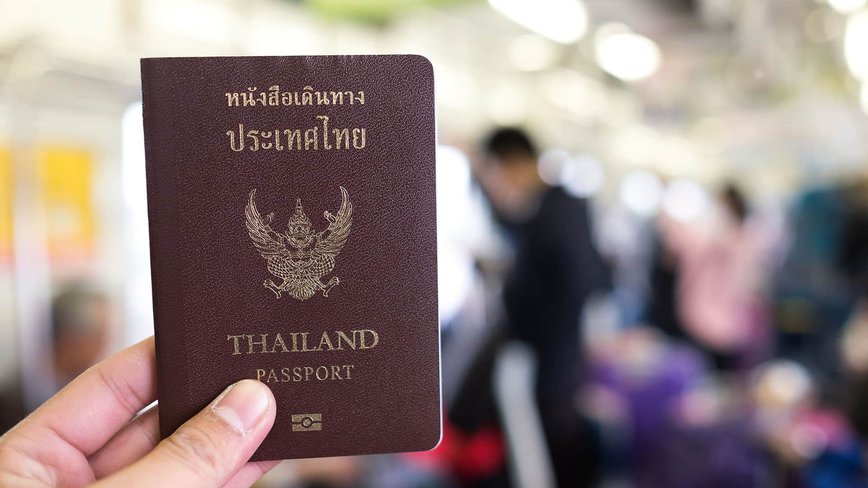
The perks? No more visa hassles, better security, and a Thai passport for lifelong stays – it's a game-changer for those committed to Thailand's vibe.
Biggest Mistakes and How to Dodge Them
Denials often stem from no PR, poor Thai skills, or messy taxes, so start early: learn the language, file taxes on time, and organize records. Always check current rules with officials to avoid surprises.
In a world of global opportunities, playing it smart can turn Thai citizenship from a dream into reality by 2026.
Categories:

Author: Sophie

Sophie
Trending topics
Popular