
Our Latest News


Did Denmark Swap 'Epstein Island' For U.S. Gold In 1917?
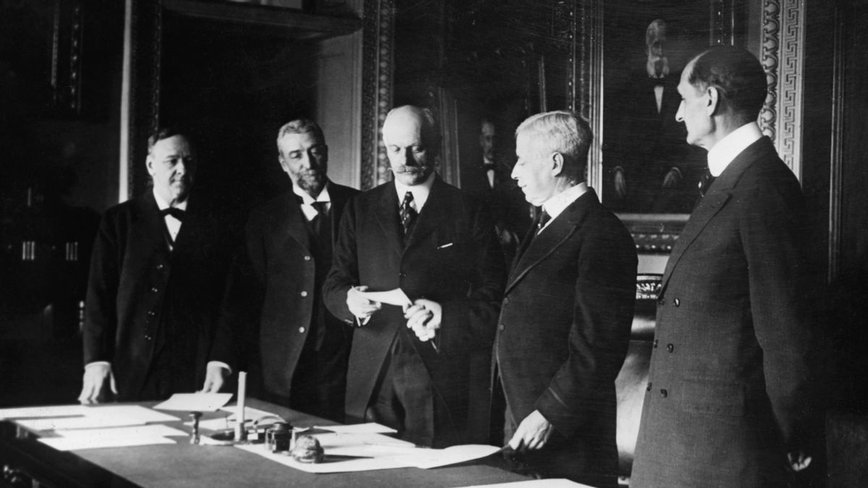
The Intriguing 1917 Transaction
In a deal that has taken on an eerie modern twist, Denmark sold a series of islands to the United States back in 1917. Among these territories was Little St. James, an island that would eventually gain infamous notoriety as 'Epstein Island.' The sale involved the Danish West Indies, which were eventually renamed the U.S. Virgin Islands. This historical transaction was finalized in an agreement known as the "Convention between the United States and Denmark for the Cession of the Danish West Indies," marking a momentous shift in territory ownership. For $25 million in gold coin, the U.S. acquired these islands, including the lesser-known Little St. James, which was tucked close to St. Thomas.
From Danish Land to Infamy
Fast forward several decades, and Little St. James would become synonymous with Jeffrey Epstein, the disgraced financier who purchased the island in 1998. By the time of his ownership, the small island was no longer just an adjoining islet but was thrust into the center of one of America's darkest scandals. "Little Saint James was sold by Denmark to the United States as part of the 1917 transfer of the Danish West Indies," one Facebook post pointed out, reflecting the web of connections between the past and present.
“The sale of this island set the stage for a future scandal that no one could have predicted in 1917,” commented a historian familiar with the island's complex history.
This transaction also paved the way for the U.S. to solidify its influence in the Caribbean, as well as strike an agreement ensuring Denmark's sovereignty over Greenland. The 1917 agreement not only shifted the geopolitical landscape but also became a touchpoint for discussions about historical and modern territorial exchanges.
Epstein's Ownership and Aftermath
Epstein’s purchase of Little St. James in 1998 and the nearby Greater St. James in 2016 is a grim chapter in the island's history. Epstein, who was registered as a sex offender in the U.S. Virgin Islands, used the island as a private retreat until his arrest and subsequent suicide in jail in 2019. Following these events, in 2023, billionaire Stephen Deckoff purchased both islands with plans to transform them into a luxury resort, hoping to shift the narrative from scandal to leisure.
While the islands' past is mired in controversy, the 1917 sale remains a fascinating pivot point in history. It highlights the complex dance of diplomacy and power, bridging a historical land deal to a modern-day infamy.
Categories:

Author: Ethan