
Our Latest News


Coal Crisis Sparks Emergency Action: Cabinet Steps Up
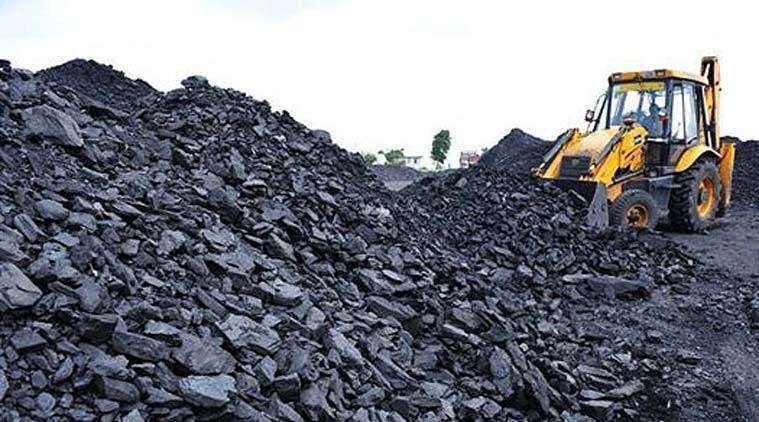
Emergency Coal Procurement on the Horizon
A brewing coal crisis has pushed the Cabinet to approve the emergency procurement of 300,000 metric tons of coal. This move comes amid mounting quality concerns with the current long-term coal tender. The Ministry of Energy, led by Secretary Prof. Udayanga Hemapala, confirmed that while the approval is in place, the procurement will only be enacted if absolutely necessary. "This will be an emergency procurement, not spot tendering," Prof. Hemapala emphasized, signaling a limited tender process for registered suppliers, set to kick off this week.
Quality Control: The Heart of the Controversy
Despite lingering quality issues with the initial shipments, neither the Lanka Coal Company (LCC) nor the Ministry has halted the long-term coal tender yet. The tender, awarded to Trident Chemphar Ltd., covers a massive 1,500,000 ±10% metric tons of coal from December 2025 to April 2026. Six shipments have already been received, but only the first two have been reported on, both showing concerning quality metrics.
“The delay in cancelling the tender will result in Sri Lanka being a dumping yard for low-quality coal.”
LCC Chairman Jayantha Rathnayake recently addressed these concerns, confirming only the first shipment's quality as problematic, yet reports for the subsequent deliveries are still pending.
Debate Over Tender Cancellation
Inside sources are adamant that the tender should be cancelled, citing the coal's failure to meet required standards. They stress that cancelling now could prevent Sri Lanka from becoming a receptacle for subpar coal. The tender agreement permits cancellation if two shipments fail quality tests, a threshold the first two shipments have reportedly already crossed.
Additionally, the lack of a mechanism to re-export low-quality coal underlines the urgency of the situation. The sources insist that "even if the quality of the shipments already unloaded is proven to be low, Sri Lanka has no mechanism or facilities to re-export imported coal." The financial implications are also under scrutiny, with calls for the Government to reassess coal prices in light of quality discrepancies, ensuring fairness and transparency in the procurement process.

Author: Sophie