
Our Latest News


Channel 4 Doc Drops Bomb On Intersex Surgery Secrets – A Global Wake-Up Call With An La Edge
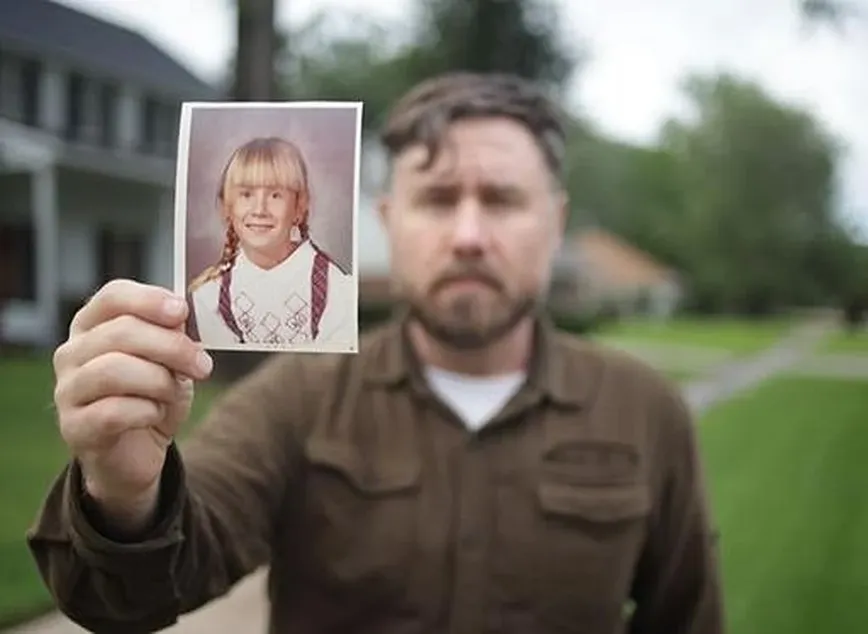
The Buzz Around the Documentary
Channel 4 just dropped The Secret of Me on January 20, 2026, and it's already got the world buzzing with its raw take on intersex issues. Directed by Grace Hughes-Hallett, who's no stranger to gripping stories after her hit on Three Identical Strangers, this film dives into the life of Jim Ambrose, a 50-year-old activist from Louisiana whose early surgery flipped his world upside down. It's not just a UK story—it's hitting nerves in Hollywood circles, London debates, and even Seoul's progressive scenes, showing how these medical scandals cross borders and cultures. The doc paints a vivid picture of the global fight against harmful practices, making everyone from policymakers to everyday fans rethink what's been happening behind closed doors.
What makes this release so urgent is the way it exposes the emotional toll on real people like Jim, who grew up in a conservative spot but whose story resonates everywhere. Critics and viewers are already sharing clips online, turning it into a must-watch that blends personal heartbreak with a call for change, proving that intersex rights are a hot topic in places like Paris fashion talks or Mumbai's social media storms. This isn't just entertainment—it's a wake-up call that's got the global pop culture machine spinning.
Jim Ambrose's Shocking Journey
Born in Baton Rouge in 1976 with male chromosomes and atypical genitalia, Jim was raised as a girl named Kristi in a tight-knit, conservative community that kept the truth under wraps. Doctors pushed for surgery as an infant to make him appear female, a decision that kicked off years of confusion and pain he only uncovered at 19 during a college course. It's a tale that's got people in LA's activist circles whispering about the parallels to other identity struggles, highlighting how these issues aren't confined to one spot but echo in international hotspots like the UK's NHS debates or US advocacy groups.
Fast-forward to his adult life, and Jim's transformation from secrecy to activism is nothing short of heroic. After moving to San Francisco at 20 and diving into the queer community, he faced ongoing health battles, like warnings of osteoporosis from halted estrogen and the changes from testosterone therapy that reshaped his body. This part of his story is drawing comparisons to global icons fighting for body autonomy, making it a conversation starter in places like Hollywood red carpets or London's theater scenes, where personal stories fuel bigger movements.
Early Life and Hidden Truths
Jim's childhood was a mix of normal moments and underlying tension, with his parents following doctor's orders to "feminize" him through medication and secrecy. By 13, he was told to take meds for breast development to fit in, all while dealing with ridicule from peers—it's the kind of trauma that's got international audiences relating it to broader cultural pressures seen in Seoul's K-pop world or Mumbai's family dynamics. This section of the doc doesn't hold back, showing how a simple anatomical choice snowballed into a lifetime of questions.
The big reveal came in college when Jim stumbled on intersex descriptions in a textbook, leading to a confrontation with his family that left scars. His mother's archival words capture the fallout: "She was real angry towards us," underscoring the betrayal that fueled his activism. This angle adds a layer of global relatability, as similar stories pop up in diverse settings, from California's support groups to European rights campaigns, keeping the narrative fresh and urgent.
The Wider Impact and Activism
This documentary isn't just about one person—it's exposing a "global medical scandal" affecting roughly 1.7% of the population, with over a million in the UK alone facing similar non-consensual surgeries.
“I know what you’re thinking, 'This is a transgender story.' But it’s not,”
Jim tells the camera early on, setting straight the misconceptions and pushing for intersex awareness in a world where these issues often get overlooked. That line has already gone viral, with fans and advocates sharing it across social media from New York to Tokyo, emphasizing the need for change in medical practices that date back to the 1960s.
In both the US and UK, there's still no ban on these surgeries with parental consent, as noted in the 2017 Medical Law Review, leading to calls for reform that's echoing in international forums. Jim's activism, inspired by meeting others in San Francisco, is positioning him as a key voice in the fight, with the doc urging a new generation of doctors and policymakers to step up. It's creating buzz in places like Paris's human rights discussions or LA's celebrity-backed causes, turning this into a movement that's hard to ignore.
The Legacy of Harmful Practices
Digging deeper, the film links these surgeries to Dr. John Money's flawed 1960s theories, which influenced tragic cases like David Reimer's and still linger in medical texts today. For Jim, confronting his surgeon, Dr. Richard Carter, on camera was a pivotal moment, offering some closure amid the emotional wreckage. This revelation has sparked outrage globally, with parallels drawn to ongoing debates in Hollywood films and Seoul's gender discussions, showing how history repeats without intervention.
Hughes-Hallett herself got involved after hearing from her brother, a urology surgeon, and hopes the film reaches influencers everywhere to end these practices. As The Secret of Me streams on Channel 4, it's not just educating—it's mobilizing, with Jim's story reminding us that dignity and autonomy are universal fights that transcend borders and cultures.
Categories:

Author: Mia