Our Latest News


Bill Maher Calls Out 'Woke' Hollywood For His Emmy Shutout
Maher's Emmy Frustrations
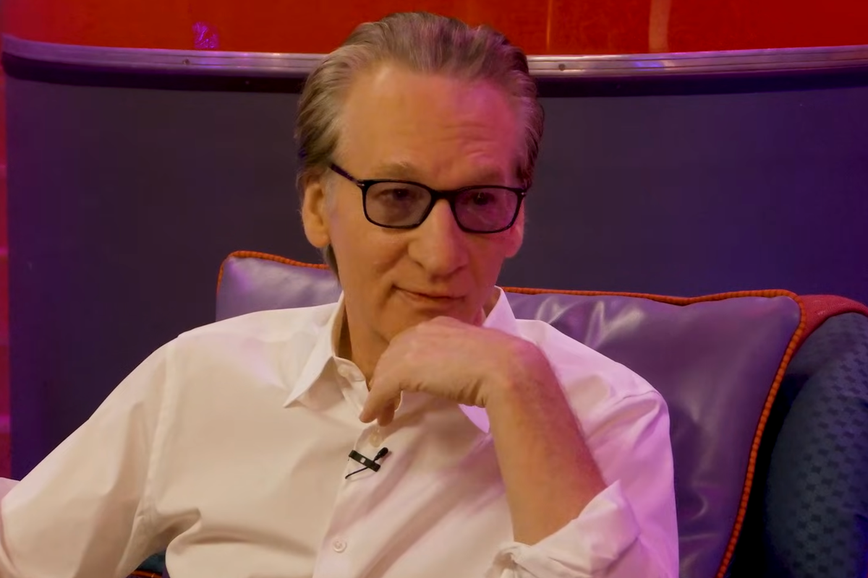
Bill Maher is putting Hollywood’s "woke" culture on blast, pointing fingers at his industry peers as the reason he's facing an Emmy drought. With 42 nominations under his belt and just one win, Maher is candid about his belief that his unfiltered style rubs the wrong folks the wrong way. The 69-year-old comedian aired his views on his "Club Random" podcast, right before this year's Golden Globes, where he was up for the best stand-up comedy performance on TV but lost out to the legendary Ricky Gervais.
A Chat with Joel Edgerton
While chatting with fellow nominee and "Train Dreams" star Joel Edgerton, Maher didn't hold back. "Sweetheart, I’ve been nominated for 33 Emmys, and they would never give it to me," he said. It's no exaggeration; Maher's career accolades include 42 Emmy nods, with a single win in 2014 for HBO’s "VICE". Thirty of those nominations hailed from his iconic shows "Politically Incorrect" and "Real Time with Bill Maher."
“Obviously, it’s something I said. Well, it’s everything I said," Maher quipped. "Because I speak freely. And this woke town f***ing hates that."
Maher's View on 'Woke' and DEI
Maher's not one to shy away from controversy – he's stirred the pot with his takes on politics and culture before. On his podcast, he drew a line between being an “old-school liberal” and a "woke person," emphasizing that the term "woke" has shifted in meaning over time. Maher, a Democrat, acknowledges the term's evolution while critiquing its current implications.
Just last week, in a chat with Tim Allen, Maher sounded off on diversity, equity, and inclusion (DEI) initiatives in Hollywood, calling them overreaching. "Not everything in America has to look like Angelina Jolie’s Christmas card," he commented, nodding to Jolie’s internationally adopted family. Although he supports diversity, Maher insists it shouldn't compromise creativity in Tinseltown. "Lots of people of color agree with that because they want the creative process to be pure, too," he argued, suggesting that some share his sentiment.
It's clear that Maher, ever the provocateur, isn't backing down. His candid critiques reflect a broader conversation about the cultural currents shaping Hollywood today.

Author: Mia